
























A trade deal between the United States and India has sent ripples through global agricultural markets, drawing relief from some export sectors and fierce criticism from farmer groups fearing a flood of imports.
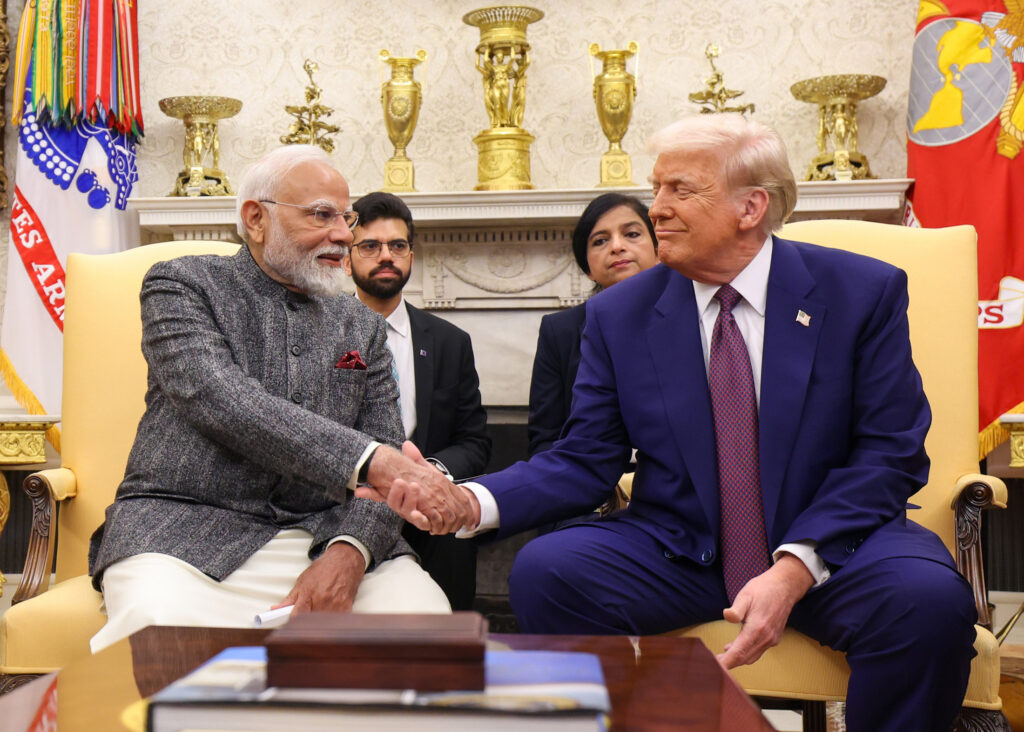
The deal, announced by U.S. President Donald Trump on February 2, lowers U.S. “reciprocal tariffs” on Indian goods from 25% to 18%. In return, President Trump stated that, Indian Prime Minister Narendra Modi “agreed to stop buying Russian Oil, and to buy much more from the United States and, potentially, Venezuela,” adding this would help end the war in Ukraine. While PM Modi publicly thanked President Trump for the reduced tariffs, his statement made no mention of halting Russian oil purchases.
Promises and protests
A significant component of the announcement involves agricultural trade. President Trump claimed India had agreed to purchase “over $500 BILLION DOLLARS of U.S. Energy, Technology, Agricultural, Coal, and many other products,” with a commitment to “BUY AMERICAN.”
This has immediately agitated Indian farmer unions. The Samyukt Kisan Morcha (SKM) called the deal a “betrayal,” alleging it will allow “highly subsidised U.S. agricultural products” to devastate Indian farmers. They specifically highlighted threats to soybeans, corn (maize), cotton, dairy, and poultry. A statement from the Centre of Indian Trade Unions said that the deal “will severely hit Indian industries and the workers employed in them.” The All-India Kisan Sabha demanded the government place the full text of the deal before Parliament.

The U.S. perspective was underscored by a statement from the President’s Secretary for Agricultural Affairs, Brooke Rollins, who called the agreement a “major victory for America First” that will “increase exports of American agricultural products to India’s vast market.”
Soybean exports and EU trade deal
The deal comes amid strong U.S. soybean export performance. According to the U.S. Soybean Export Council, marketing year 2024/25 saw record soybean meal exports and a 304% year-over-year increase in soybean oil shipments. Indian farmer groups fear the deal will open the door to U.S. soybeans and other grains, directly competing with domestic production. The SKM warned that the Indian market “will be flooded with American GM crops.”
The U.S.-India announcement follows closely on the heels of a landmark Free Trade Agreement between India and the European Union, concluded on January 27. That deal will see India reduce or eliminate tariffs on a range of EU agri-food products, including wines, spirits, and olive oil, while protecting sensitive EU sectors like beef, rice, and sugar.
Indian farmer outfits have also opposed the EU deal. The SKM labelled it a “blueprint for economic colonisation,” arguing that opening the processed food market would have a “disastrous impact on domestic agricultural production.”
Uncertain details, clear tensions
The full text of the U.S.-India agreement has not been made public, leaving the exact terms for agricultural commodities unclear. However, the announcements have starkly highlighted the tensions between India’s export interests, the demands of its large farming population, and the strategic trade pressures from Western economic powers. The outcome will significantly impact global trade flows for soybeans, vegetable oils, and other key grains and oilseeds in the coming years.