
























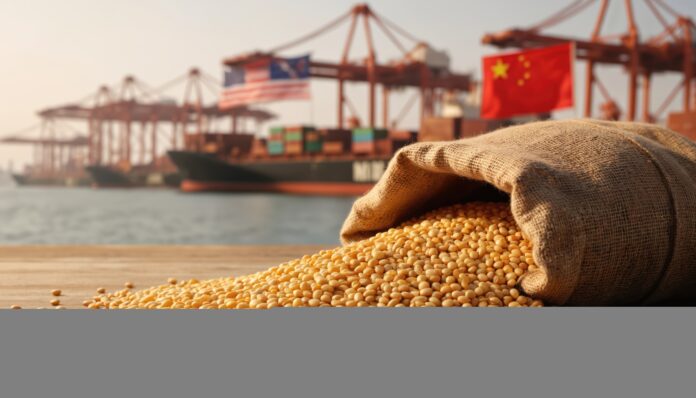
China’s state grain stockpiler Sinograin has purchased about 10 cargoes of US soybeans this week, totalling roughly 600,000 metric tons, as Beijing continues to step up buying from the United States following a trade truce reached in late October, Reuters reported on Tuesday.
According to three traders cited by Reuters, the cargoes are scheduled for shipment between March and May, a period that typically coincides with peak export volumes from Brazil, the United States’ main competitor in the global soybean market.
With the latest deals, China’s total purchases from the current US soybean crop are now estimated at between 8.5 million and nearly 10 million metric tons, traders and analysts told Reuters. That would account for as much as 80% of the 12 million tons that US Treasury Secretary Scott Bessent has said China committed to buying by the end of February.
“There were more U.S. cargoes bought by Sinograin and total purchases are very close to 10 million tons,” one trader with direct knowledge of the transactions told Reuters. “We think China will buy a couple of million tons more to meet the target.”
Official data has also pointed to continued buying. On Tuesday, the US Department of Agriculture reported private sales of 336,000 metric tons of soybeans to China for delivery in the 2025/26 marketing year, which runs through Aug. 31. Reuters noted that China’s confirmed purchases since October now stand at nearly 6.9 million tons, with analysts believing a significant portion of the roughly 3 million tons sold to “undisclosed buyers” is also destined for China.
On Tuesday, the Chicago Board of Trade’s most-active soybean contract settled down 5¾ cents at $10.56¾ per bushel, compared with around US$10 per bushel a year earlier.
Reuters also reported that China has increased US purchases despite a domestic supply glut caused by record South American imports and sluggish demand. Sinograin held three public auctions in December to clear storage space ahead of incoming US shipments.
While US soybeans are still more expensive than newly harvested Brazilian supplies, analysts told Reuters that the price gap has narrowed as the Brazilian real has strengthened and the US dollar has weakened.