
























Russian fertiliser companies earned an estimated UK£500 million (US$635 million) in additional revenues during the first three months of the US-Israel-Iran conflict as the closure of the Strait of Hormuz sent global urea prices soaring, according to an investigation by Greenpeace Unearthed.
Russia, already the world’s leading nitrogen fertiliser exporter, earned an estimated additional UK£5 million per day from urea between March and May 2026. The analysis found the price of urea – the most widely used nitrogen fertiliser – almost doubled between late February and late April.
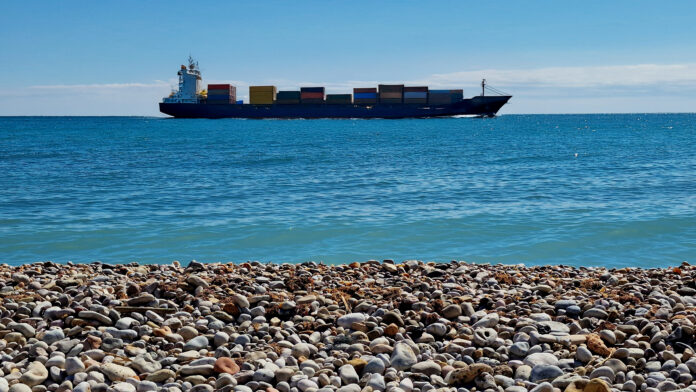
The Strait of Hormuz normally handles a third of global seaborne fertiliser trade and 20 percent of natural gas shipments, needed to make nitrogen fertilisers such as urea. Russia’s Baltic export routes, however, were largely unaffected by the closure, allowing producers to benefit from the price surge.
“Russia’s weakened yet still functioning economy and military industry are tightly interlinked,” said Dr Svitlana Romanko, executive director of Ukrainian campaign group Razom We Stand. “Export earnings from energy-intensive and gas-based products help sustain a Russian state-driven industrial base whose strategic focus is expanding weapons production.”
US imports at record levels
Almost half of the estimated windfall – approximately UK£226 million – came from the United States. US imports of Russian urea reached record levels during the early months of the conflict, coinciding with the US spring planting season. Imports in April 2026 were nearly double those of the same month the previous year.
Joseph Glauber, senior research fellow at the International Food Policy Research Institute (IFPRI) , noted the irony: “This was made more acute because of the closure of the Gulf. At a time when we ostensibly have sanctions on Russia … we are at the same time buying fertiliser products from them.”
UK and European imports
The UK imported approximately 33,900 tonnes of Russian urea between March and May, generating an estimated UK£8 million in additional revenues for Russian producers. EU imports generated around UK£11.5 million.
While the EU introduced staged tariffs on Russian fertiliser in 2025, and the UK closed a gap in its 2022 tariffs by including nitrogen products in July 2025, imports continued during the price surge.
Food security concerns
The price shock has intensified fears over global food security. The United Nations has warned that rising fuel, fertiliser and food costs could push millions more people into hunger, with African countries likely to be hit hardest.
Selena Victor, senior policy director of humanitarian organisation Mercy Corps, said: “A global price rise quickly becomes a question of whether farmers can plant and whether families can afford to eat.”
The countries most exposed to this supply and pricing shock are fragile, import-dependent nations already facing conflict and severe weather events, including Somalia, Sudan, Ethiopia, Pakistan, Lebanon and Myanmar.
Martin Lines, CEO of the Nature Friendly Farming Network, said British farmers are highly reliant on imported nitrogen: “This exposes us to global price shocks and means putting more money into the pockets of fertiliser companies and nations around the world. The transition to nature-friendly farming is vital if UK agriculture is to be resilient to the climate crisis and geopolitics.”
Methodology
Unearthed compared average monthly urea prices during March, April and May 2026 with the average February 2026 price of US$471 per tonne. By late April, prices had nearly doubled, peaking at US$882 per tonne. Russian export volumes were estimated using “mirror data” – imports reported by Russia’s trading partners.