
























by Asief Aliyar, Milling and Grain
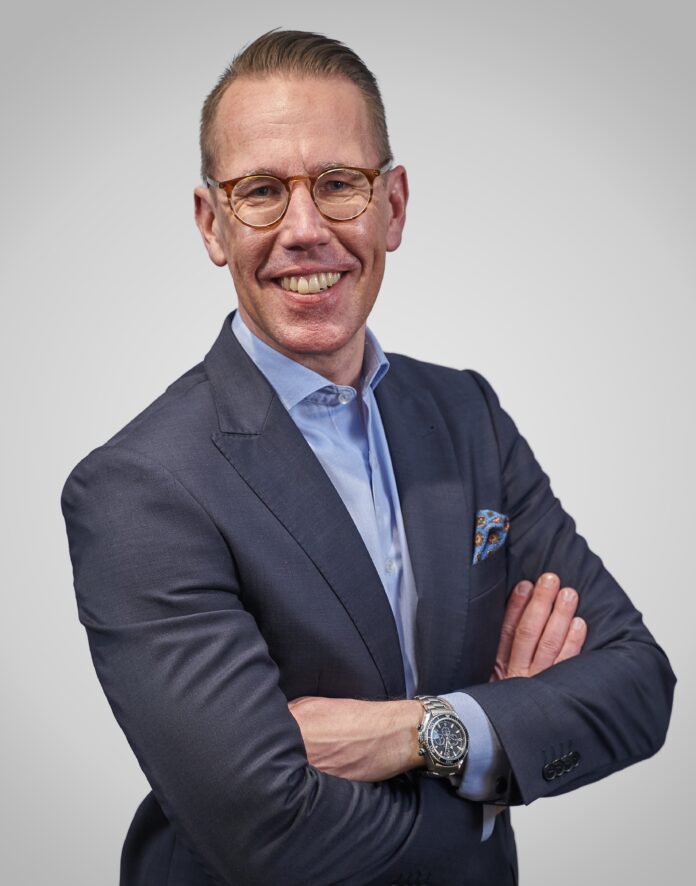
As international negotiations continue around a global Plastics Treaty, feed mills and agri-food operators face growing pressure to rethink material use, waste management and supply chain sustainability. Milling and Grain spoke with Fredrik Hjelmqvist, Head of Supply & Commercial Operations at dsm-firmenich Animal Nutrition & Health, about the practical implications for the industry.
Signals from the negotiations
The recent Plastics Treaty negotiations have not yet produced the renewed substantive momentum they deserve, Hjelmqvist acknowledges. However, sustained political engagement sends an encouraging signal about growing global commitment to sustainable solutions.
“The discussions highlight that different nations bring valuable perspectives based on their unique positions and challenges in the plastic value chain,” he notes. “Businesses have an exciting opportunity to meet the needs of these diverse challenges through innovative solutions.”
Translating negotiations into daily operations
Turning sustainability commitments into daily practice requires process change, cultural and business buy-in, and a willingness to rethink operations at every level. For dsm-firmenich’s premix and ingredient manufacturing operations, that means employee engagement, close end-to-end collaboration and using data and technology to drive transparency and optimisation.
The results are measurable. In 2024, the company reported a 15 percent reduction in waste to landfill compared to 2023, with 95 percent of total waste now diverted through material reuse, more efficient processes and recycling adoption across sites worldwide.
Operational challenges around plastics
The greatest operational challenges centre on embedded dependency on plastic materials throughout the agri-feed value chain – from ingredient packaging and storage systems to feed delivery mechanisms. Balancing the critical role plastics play in maintaining feed quality and preventing contamination with growing environmental concerns and regulatory pressures remains complex.
“Sustainability doesn’t have to be more expensive – we are well beyond that point,” Hjelmqvist states. “Removing waste from the process can typically result in more sustainable production at a better cost position.”
At dsm-firmenich, 86 percent of sites now send no hazardous waste to landfill, demonstrating that smarter material management can maintain operational standards while delivering positive environmental impact and commercial gains.
Preparing for regulatory shifts
Hjelmqvist advises mills and manufacturers to treat today’s leading voluntary standards as tomorrow’s baseline requirements. This means investing in supplier visibility, supporting certifications such as RSPO or Rainforest Alliance and ensuring procurement teams are trained on human rights and climate impact.
“Companies that do this work proactively won’t just be compliant; they’ll be well positioned to meet customer expectations and avoid supply chain disruption when regulatory pressure inevitably arrives,” he says.
Defining zero waste
Zero waste in animal nutrition is an operating philosophy that touches every stage of production. It means designing processes that minimise waste from the outset: more efficient manufacturing, advanced recycling systems and finding value in material streams that would otherwise be discarded.
Increasingly, what was once waste becomes valuable feedstock for other industrial applications, turning an environmental challenge into a commercial opportunity. Precision feeding systems reduce spillage and overuse, while data-driven continuous improvement helps identify inefficiencies and act on them faster.
Role of local manufacturing
Local and regional manufacturing plays a dual role in reducing environmental impact while building more resilient supply chains. One example is dsm-firmenich’s expansion in India: a new feed Mycofix® additive facility in Jadcherla, near Hyderabad, forms part of an integrated ‘Super Site’ alongside an existing premix facility.
By producing closer to markets, the company cuts transport-related emissions while gaining greater supply chain control and responsiveness. A EU€10 million investment in energy efficiency projects in 2024 – spanning heat pumps, digital monitoring systems, steam optimisation and increased renewable electricity sourcing – demonstrates the operational visibility and local accountability that regional manufacturing enables.
Data-driven sustainability
The data that matters most is shifting away from broad industry estimates towards primary, live site-specific figures. Digital tools allow operators to see exactly where waste, emissions and inefficiencies are occurring at the farm or facility level.
Life-cycle assessment platforms such as dsm-firmenich’s Sustell helps customers along the feed-to-fork value chain improve operational efficiency while meeting sustainability reporting needs. Integrating this with feed recipe management software allows producers to quantify and improve environmental impact at scale with real data rather than estimates.
The path forward
Proactivity will separate leaders from the rest, Hjelmqvist argues. Agile, resilient, customer-focused supply chains with robust ESG tracking, transparent reporting and systematic supplier engagement will have the visibility to make smarter decisions faster.
When asked whether progress is more likely driven by compliance or innovation, he responds: “Customer-centric innovation will always outpace compliance as a driver of meaningful progress. Regulation establishes a baseline, but the companies pulling ahead are those using technology and data to identify opportunities, reduce waste, and make smarter decisions across their supply chains.”
He concludes: “Market demand is pushing innovation faster than any regulatory timeline, rewarding companies that lead rather than follow. When innovation and accountability reinforce each other, the result goes beyond compliance and can create a competitive advantage.”