

























by Mildred Cookson, Mills Archive Trust, UK
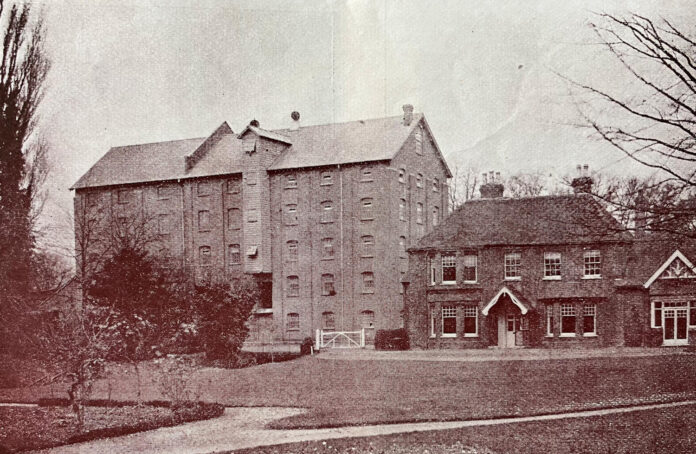
Mills had existed at Burghfield for a long period as the River Kennet allowed barges to come right alongside the mill. The roller milling history of these mills dates from 1880 when James Dewe first introduced the roller system into his mill. The plant was afterwards enlarged under the supervision of Henry Simon, and finally brought up to a capacity of seven sacks per hour. The business carried on with James Dewe until 1904 when he retired and his son FW Dewe took over until he relinquished the business to Thomas Clark who with his sons now had three mills.
Clark specialised in English flour and had a large trade in biscuit and self-raising flours and were probably the biggest millers in the country milling only English wheat. When they took over the Burghfield mills they found that a thorough remodeling was needed. Accordingly, Briddon and Fowler, who had done good work at their Banbury and Wantage mills, were called in to make the changes. Machines that were retained required overhauling, while the old spouting and boarding had to be scrapped. The work was completed in a few months and the mill was soon rivaling the mills at Banbury and Wantage.
The mill stood in the midst of a few acres of meadowland and a little way from the road and was large, lofty and well built. It was in two sections, one for the milling plant proper and the other for storage and cleaning equipment. The water supply at this point on the Kennet had a fall of nearly seven feet. Barges could come up the Kennet and Avon canal to unload their grain alongside the mill where it was hoisted straight into the mill into a receiving hopper and then to storage bins.
Inside the mill in the basement was the main shafting, and the gearing from the waterwheel and turbine which drove the mill. Upstairs on the first floor was machinery normally found in the basement of a mill, elevator bottoms, roller shafting. The warehouse section of this floor provided storage space for offals with, in a separate room, a “Monitor” separator along with a washer and dryer. At the end of the warehouse was a loading out stage where wagons could be backed when the weather was too bad for them to be loaded at their usual place in front of the mill.
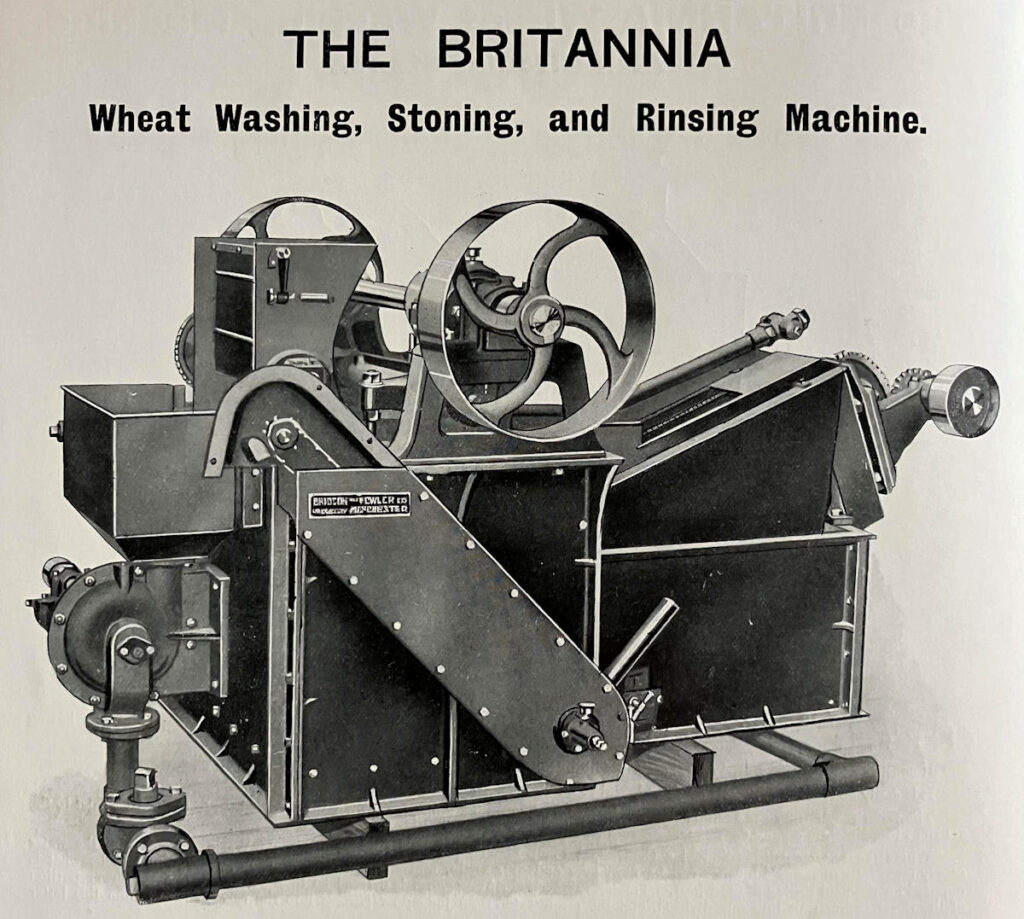
Upstairs on the second floor sacks of wheat were stored alongside the hoppers for the storage bins. The wheat was delivered through eight Briddon & Fowler ‘Britannia’ mixers. The roller mills system was one of four breaks and thirteen reductions. The reason for the large number of reductions was that biscuit flour had to be so soft that a long reduction surface was needed.
The elevators went right up through the central part of the mill, with the break rolls on one side and the reduction system on the other. In one corner was a Briddon and Fowler “H & H” grinder working on screenings and offal alongside the hoppers of the conditioning bins. Two dressers, made in the carpenter’s workshop at the mill, sifted the flour.
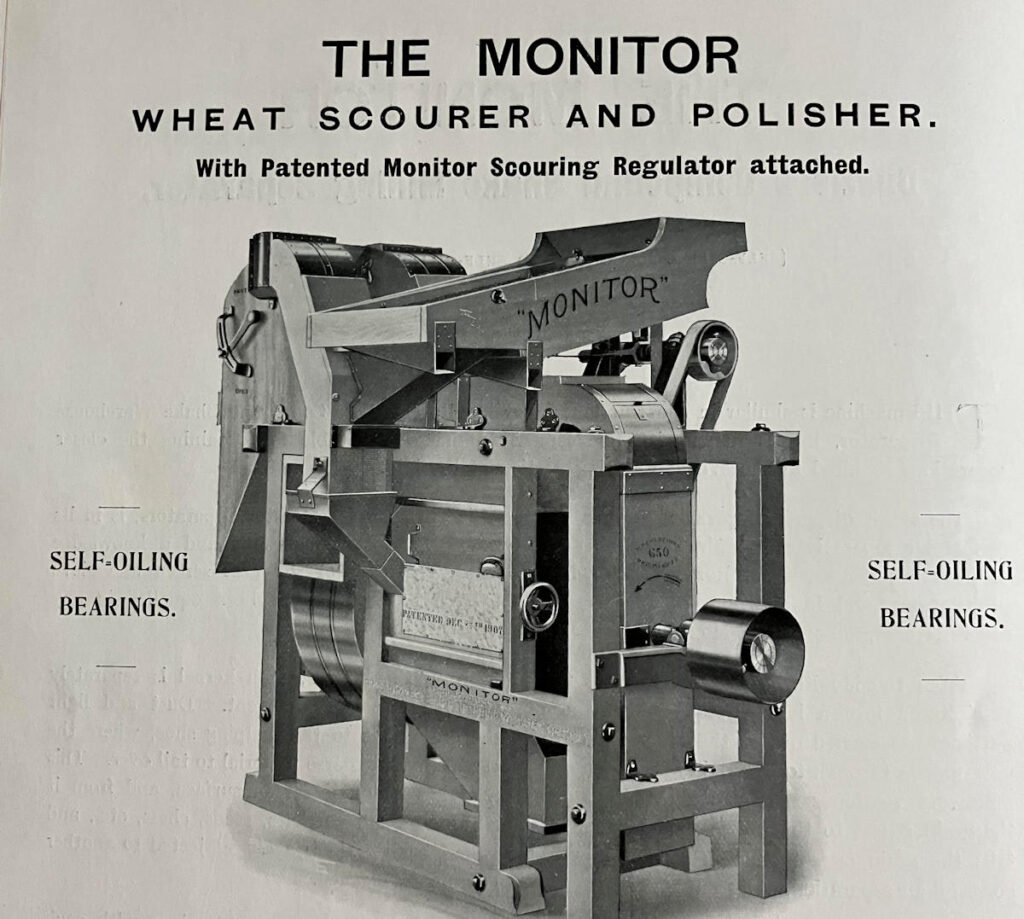
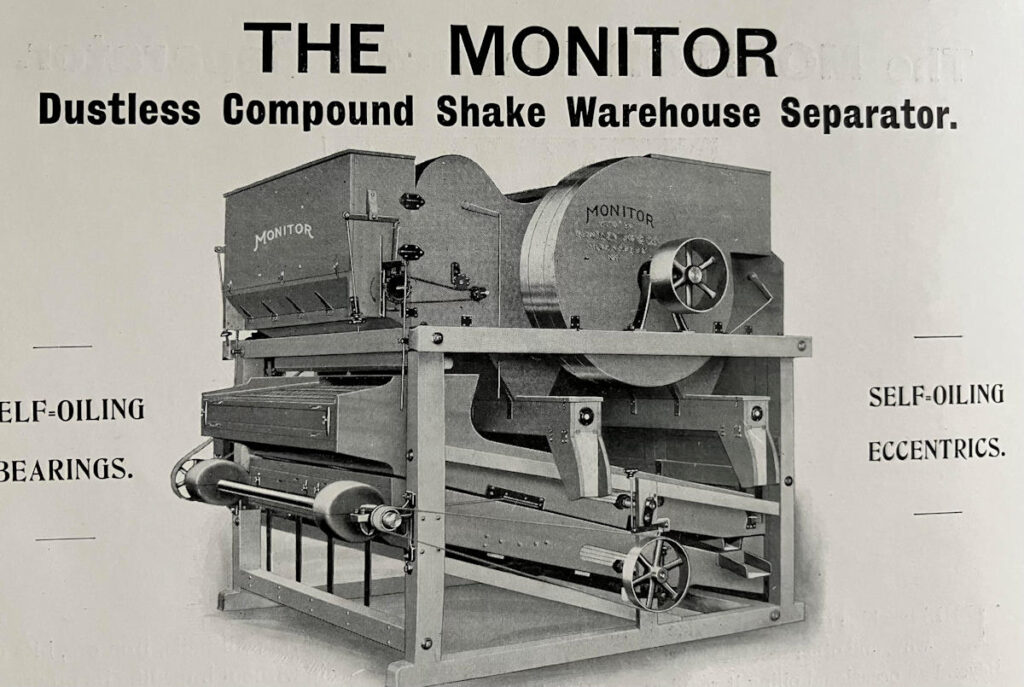
The breakings were done on four of Carter’s double 30 inch x 9 inch roller mills. On the other side of the elevators, nine double roller mills reduced the semolina and middlings. These included some new double mills of Briddon and Flowler’s latest design, and a number of the vertical type by Simon, and by Turners. As the mill was only grinding English wheat particular attention was paid to the feeds at the extremes of the reduction system. The rolls were all set for the heavy grinding necessary for biscuit making purposes.
On the third floor were three double purifiers, two centrifugals working on “L & M” reductions and a couple of reciprocating sieves. The next floor was the centrifugal floor proper with four new “Britannia” centrifugals with ball bearings and nine others doing flour dressing all arranged in a row two high. Behind these were others doing scalping and grading the break stock. From this floor could be seen the fine large mill house and garden. The dressing machines had silk numbers varying from no. 11 up to 14. On the top floor of the mill were the elevator heads, the cyclones and tops of the bins. Storage space was ample and had room for 1,400 quarters of wheat.
The main turbine developed around 80 hp. In the summer, when the water was lower, auxiliary power was provided by a compound condensing unit from Marshall & Sons of Gainsborough. This engine was very economical with the use of coal. The boiler was large and was one of Robert Taylor’s of Marsden Yorkshire and worked at 80 lbs pressure. The coal was brought right up to the boiler house by barges. There was also a second turbine installed for producing electricity for the mill. There was a good carpenters workshop where all wood working repairs could be carried out.


The Britannia four roller mill
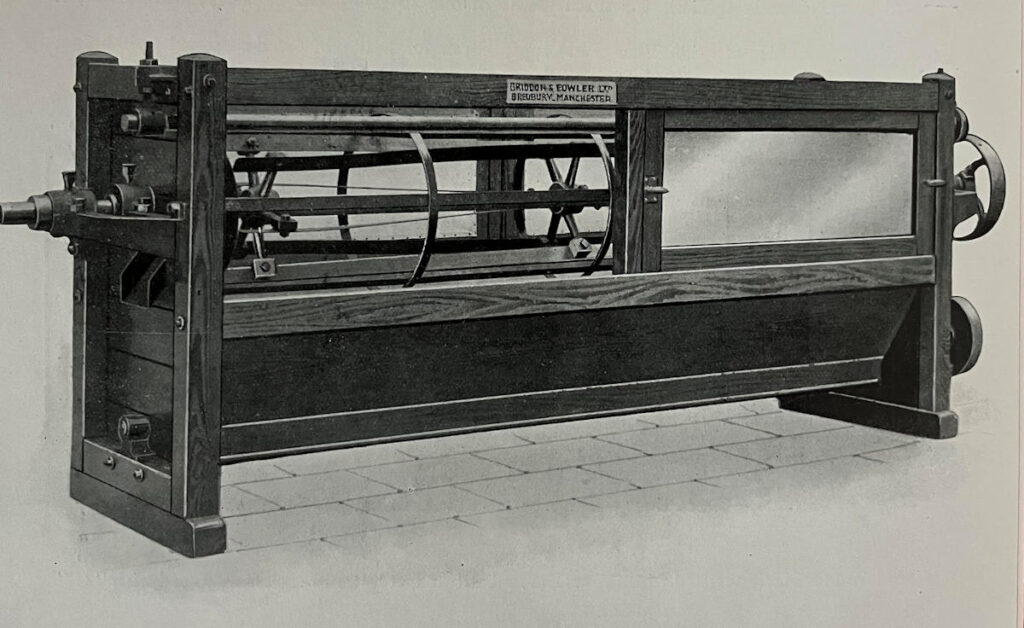
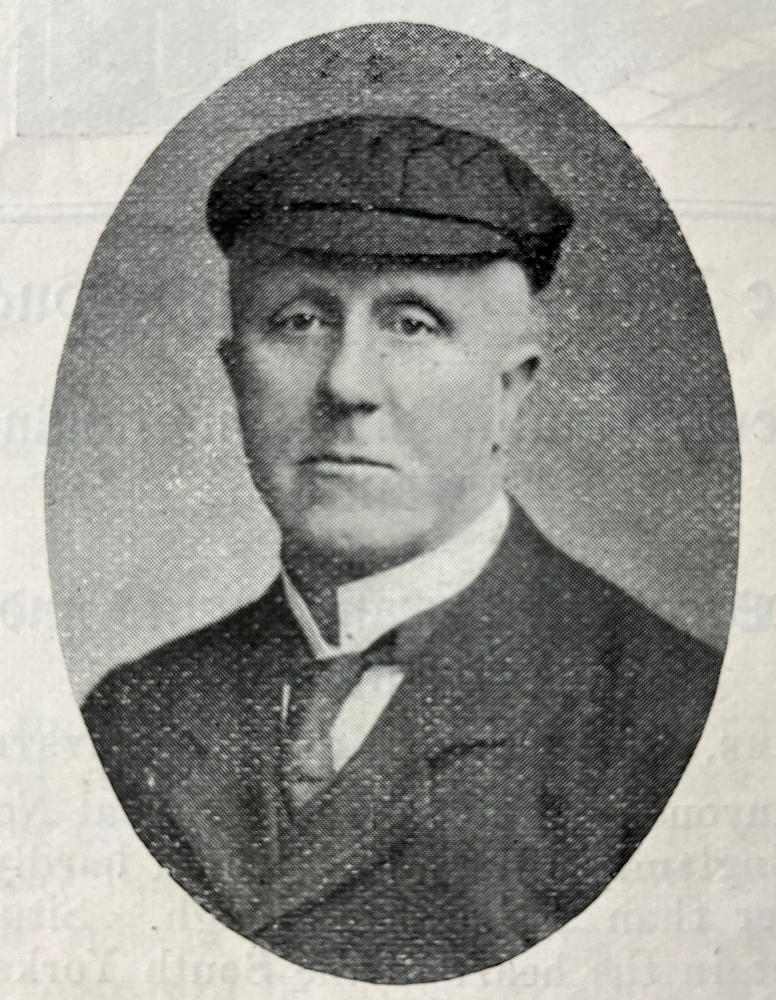
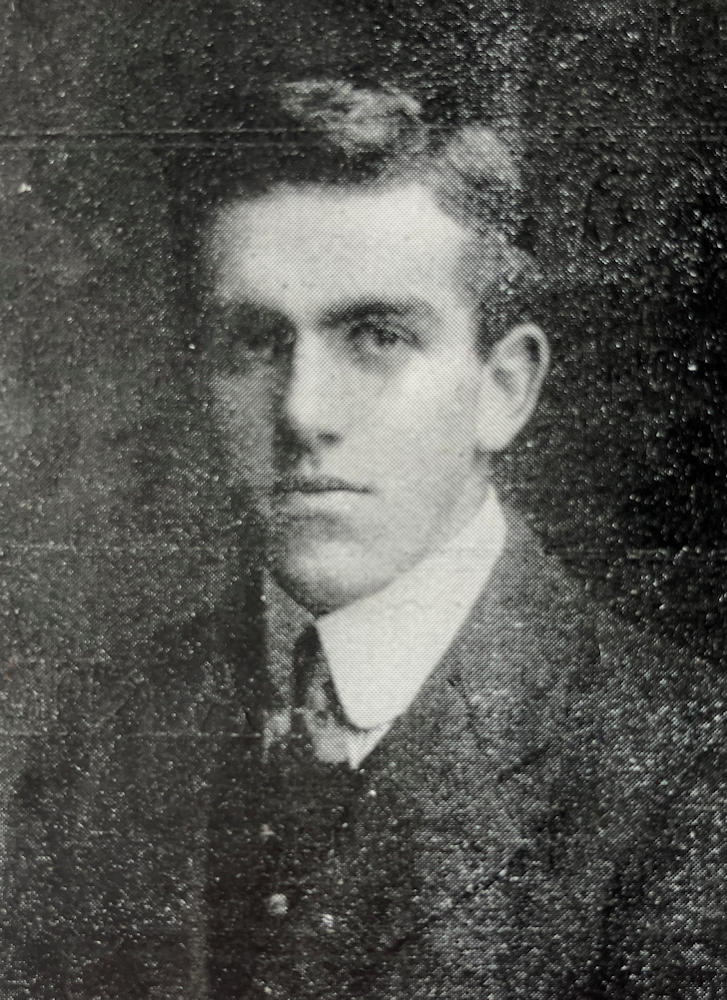
The delivery of flour was done with a “Sentinel” steam wagon, while the offals were often delivered by barge. The main headquarters of the firm were at Wantage, and Thomas Clark JP had four sons, three of which assisted in the business. Theo Clark was at Banbury Mill, Percy S Clark at Wantage, and Ben S Clark at the new Burghfield mills.
The mill at Wantage continued to run until 2022 under the ownership of the Munsey family who bought it in 1945. Extreme rises in electricity prices led to the milling and brand name being taken on by Doves Farm where they mill the flour in their own mill just outside Hungerford.
Published in the February 2024 issue of Milling and Grain.