
























by Selin Chua, Product and Marketing Manager – Maize & Ancient Grains, Bühler Group, Switzerland
Cereal grains form the nutritional foundation for billions of people worldwide. Together, wheat, maize and rice account for around 45 percent of all calories consumed. These grains are also indispensable as livestock feed, anchoring broader agricultural economies and global food supply chains.
Trade in cereal grains is extensive and essential. With their long shelf-life, high energy density and ease of handling, these staple crops are transported across continents. Today, roughly 17 percent of global grain consumption depends on international trade. Most of this trade flows from high-income producers—such as North America, Europe, Russia and Australia—to low- and middle-income importers across Africa, Latin America and Asia.
However, this model is becoming increasingly fragile. The Food and Agriculture Organization (FAO) of the UN projects that Africa will import nearly one-third of its grain consumption by 2033. This growing dependency on external supply sources is placing immense economic pressure on vulnerable economies and exposing them to price shocks and disruptions.
Supply chain vulnerabilities
Recent history illustrates the precariousness of global grain markets. The war in Ukraine, a major grain exporter, led to dramatic price spikes in 2022 and 2023, reaching or exceeding the crisis levels of earlier decades. Although prices have since eased, the grain trade remains volatile, buffeted by geopolitical tensions, energy market instability and climate-driven agricultural shocks.
Extreme weather events are becoming more frequent and severe. In 2021, Canada—one of the world’s largest wheat exporters—experienced a 38.5 percent drop in wheat production due to drought and heatwaves. As disruptions become more common, the need for more resilient and diversified food systems grows increasingly urgent.
Food sovereignty through local production
Recognising the risks of over-dependence on imported food, many developing nations are prioritizing food sovereignty, an approach that emphasises domestic production and control over agricultural systems. One prominent example is Ethiopia’s Climate Resilient Wheat Value Chain Development (CREW) Project. This US$94 million initiative aims to transform Ethiopia from a wheat importer into a self-sufficient producer, and eventually, an exporter.
Similarly, the Technologies for African Agricultural Transformation (TAAT), spearheaded by the African Development Bank, is a bold, continent-wide push to rapidly scale up access to proven farming innovations. Yet even as these efforts ramp up production of mainstream crops like wheat, maize and rice, another solution is quietly gaining traction – the revival of local crops.
What are local crops?
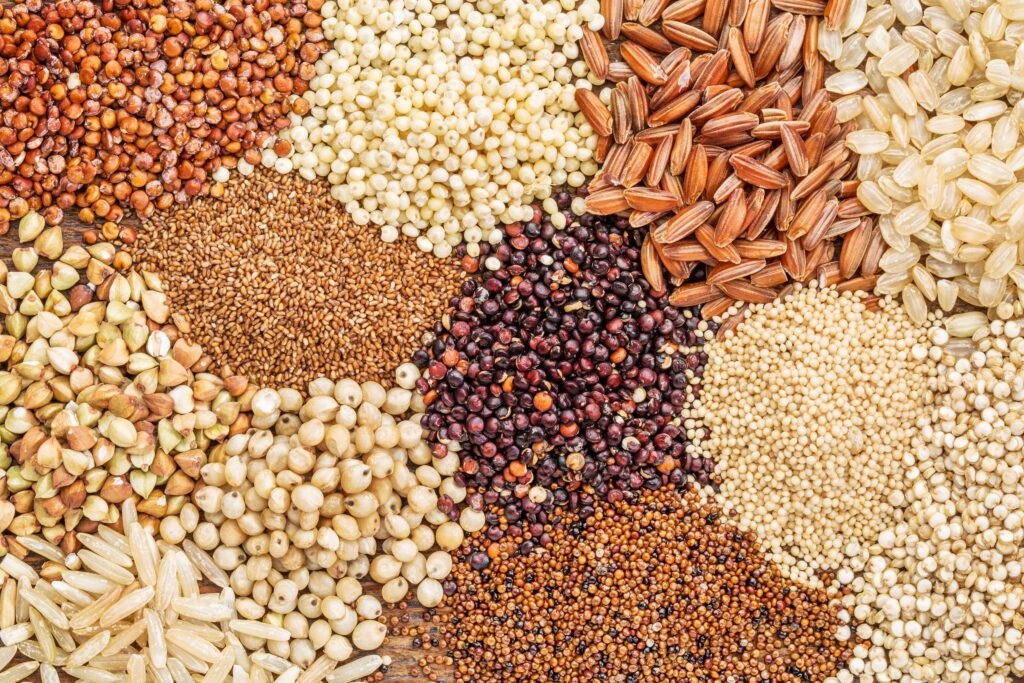
‘Local crops’ refer to cereals and pseudocereals that have remained largely unchanged by modern selective breeding. These grains were once dietary staples across Africa, Asia and the Americas. While many have been overshadowed by high-yield modern varieties, they offer a remarkable combination of hardiness, nutritional value and cultural significance. Some key examples include:
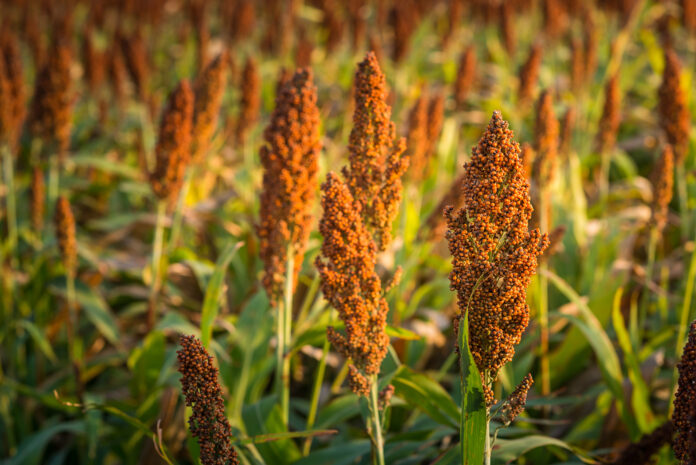
- Sorghum: A drought-tolerant cereal with large bushy seed heads, rich in nutrients and ideal for semi-arid climates.
- Teff: Native to Ethiopia, this ultra-small grain is rich in iron, calcium and protein, and is the core ingredient in the traditional Ethiopian flatbread injera.
- Fonio: A fast-growing, drought-resilient grain native to West Africa, prized for its nutty flavour and quick cooking time.
- Millets: A family of small-seeded grasses that grow well in marginal soils and are traditionally consumed across India, China and sub-Saharan Africa.
- Sunflower seeds: Valued for their oil and high protein content, especially in temperate climates.
- Quinoa: Originally cultivated in the Andes, quinoa is now a global superfood, celebrated for being a complete protein, containing all nine amino acids that the body cannot produce on its own, as well as being gluten-free and rich in micronutrients.
These grains have fed generations in some of the world’s harshest environments. Their natural resistance to drought, heat and poor soils makes them ideal candidates for a future shaped by climate uncertainty.
Nutrition meets tradition
Beyond resilience, local crops bring significant nutritional benefits. Many are rich in essential amino acids, fibre, vitamins and minerals. Several are naturally gluten-free, catering to consumers with dietary restrictions or preferences. Unlike heavily refined modern flours, local crops often retain more of their natural nutrients when minimally processed.
These grains also form the backbone of traditional cuisines. In Sudan and Chad, kisra, a sorghum-based flatbread, is a daily staple. In Nigeria, gwote, a savoury porridge made from fonio and vegetables, remains popular. In Ethiopia, injera continues to be a central component of nearly every meal. These traditional foods not only provide essential calories and nutrients but also serve as cultural touchstones, reinforcing local food knowledge and culinary heritage.
From niche to mainstream
In recent years, local crops have begun moving beyond traditional food contexts. Food scientists and manufacturers are exploring their use in modern processed foods as partial substitutes for wheat, maize or rice. These innovations promise multiple benefits: improved climate resilience, local supply chain security and functional food enhancements.
At Bühler’s Food Creation Center in Uzwil, Switzerland, researchers have trialled the use of local crops in commercial food production. Replacing 10 to 25 percent of wheat flour with millet in sweet wafers led to improved crispness and shorter baking times without compromising flavour. In another test, substituting sorghum flour for up to 60 percent of the wheat flour in biscuits produced a product with excellent texture and taste.
Local crops also have the potential to play a larger role in the global grain trade, especially as an export from emerging economies. The nutritional profile of these products, such as their lack of gluten and high protein and micronutrient content, is appealing for consumers in many countries who are seeking alternatives to conventional refined grain products.
In the US, for example, Yolélé, founded by chef and restauranteur Pierre Thiam and entrepreneur Philip Teverow, is on a mission to promote West-African-grown fonio as a healthy and sustainable alternative. Working with more than 200 farmers, Yolélé has established a commercial fonio supply chain and is developing the infrastructure to mechanise processing of the crop. The company supplies flours for industrial uses, and has developed a range of fonio-based foods for consumers.
The infrastructure challenge
Despite their promise, local crops face formidable barriers to wider adoption. Most supply chains are small-scale, fragmented and inefficient. Grain processing—cleaning, milling and sorting—is often performed using outdated, labour-intensive equipment. The result is high waste, poor product consistency and food safety risks.
Scaling local crops into industrial food systems requires a dramatic upgrade in infrastructure. This means building facilities capable of handling large volumes, ensuring hygienic storage and producing flour or meal at a consistent quality suitable for commercial use. Key challenges include:
- Economic viability: Investors need to determine the optimal scale and distribution of infrastructure. Regional processing hubs may offer a more feasible solution than large, centralised mills.
- Technical innovation: Local crops often have smaller seeds or tougher husks, requiring specialised machinery. Conventional wheat or rice mills must be reengineered to accommodate different grain characteristics.
- Human capital: A skilled workforce is essential to operate and maintain modern processing equipment. Training programs must be developed in parallel with infrastructure investment.
Innovation in action
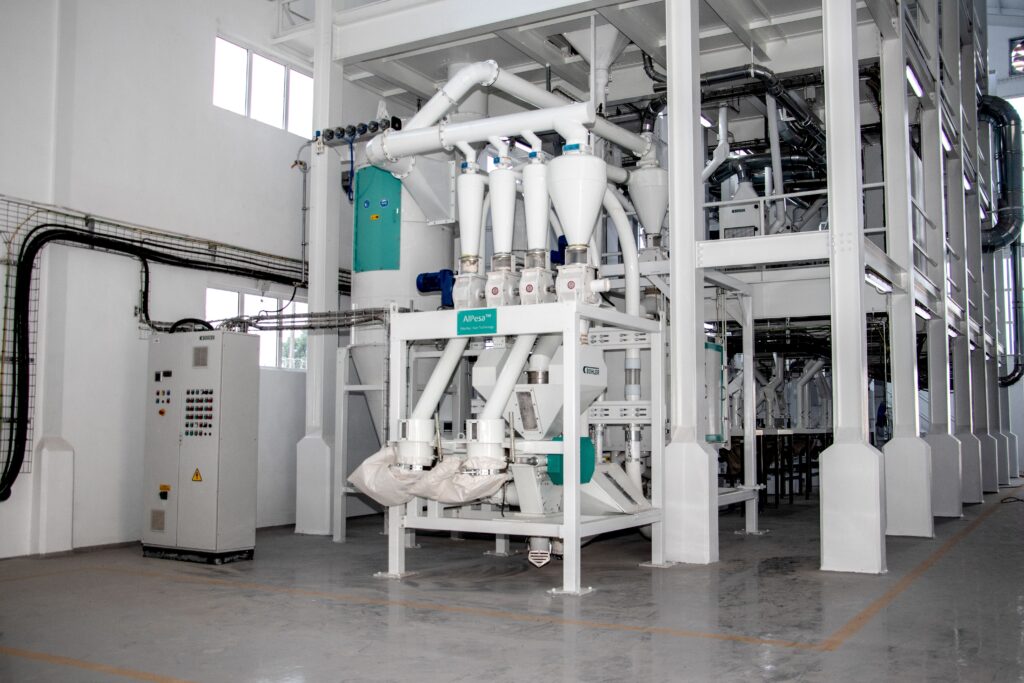
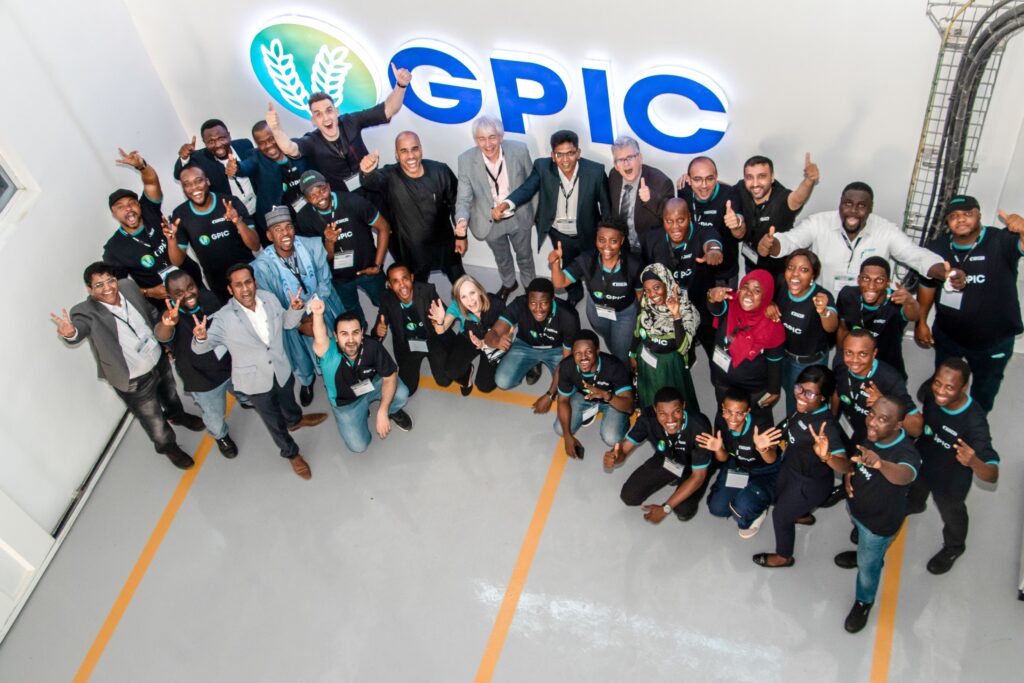
Recognising these needs, Bühler, a global food processing equipment supplier, launched the Grain Processing Innovation Center (GPIC) in Kano, Nigeria, in late 2024. The centre serves as a hub for research, technology development and hands-on training in areas such as the processing of local crops.
The GPIC enables food producers to trial individual machines or entire processing lines covering every step from grain cleaning and sorting to milling and sifting. More importantly, it offers a space for knowledge exchange, where millers, engineers and entrepreneurs from across Africa can build the skills and confidence needed to scale up their operations.
Through its initiatives, the company is helping close the gap between traditional food systems and modern industrial supply chains, unlocking the full potential of local crops for the benefit of both local communities and global markets.
A future rooted in the past
As the world faces unprecedented challenges to its food systems, local crops offer a compelling mix of resilience, nutrition and cultural relevance. Their reintroduction, supported by modern technology and infrastructure, could play a transformative role in making food systems more diverse, robust and self-sufficient.
By investing in these time-tested crops and the systems that support them, we not only preserve traditional agricultural wisdom but also build a more secure and equitable future for global food.