

























by Mildred Cookson, Mills Archive Trust, UK
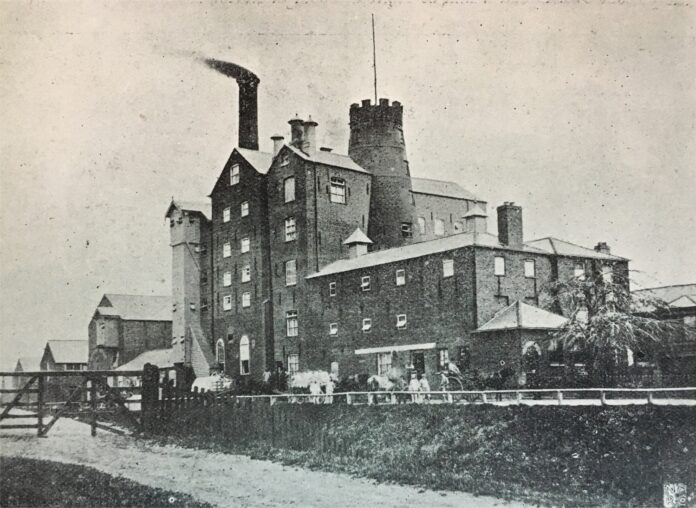
In September 2017 I wrote about The Flour Mills of Hull, which included several short histories of local mills. Since then. I have been asked to expand on one mill in particular: Messrs. Crathorne and Sons of Beverley. This article summarises a longer version in The MIller (June 1904).
Between 1860 and 1880 this mill held a remarkable reputation in Hull. Almost every grocer advertised with the phrase “Beverley Flour Sold Here”, and significantly, it was sold at a higher price than other local flours. The reason for this reputation lay in the skill of the late founder of Grovehill Mills, Mr. Josiah Crathorne, a miller of the old school, born in 1809.
Crathorne began business at Grovehill in 1830, when wind was the only source of power. Thanks to his skill as a miller and his shrewd judgement as a wheat buyer, he quickly built up a strong trade. He later introduced steam power and expanded the plant to fourteen pairs of millstones. He was also the first in the district to use silk for dressing flour. Yet, having made his fortune with stones, he remained doubtful about the new roller system that competitors began to adopt.
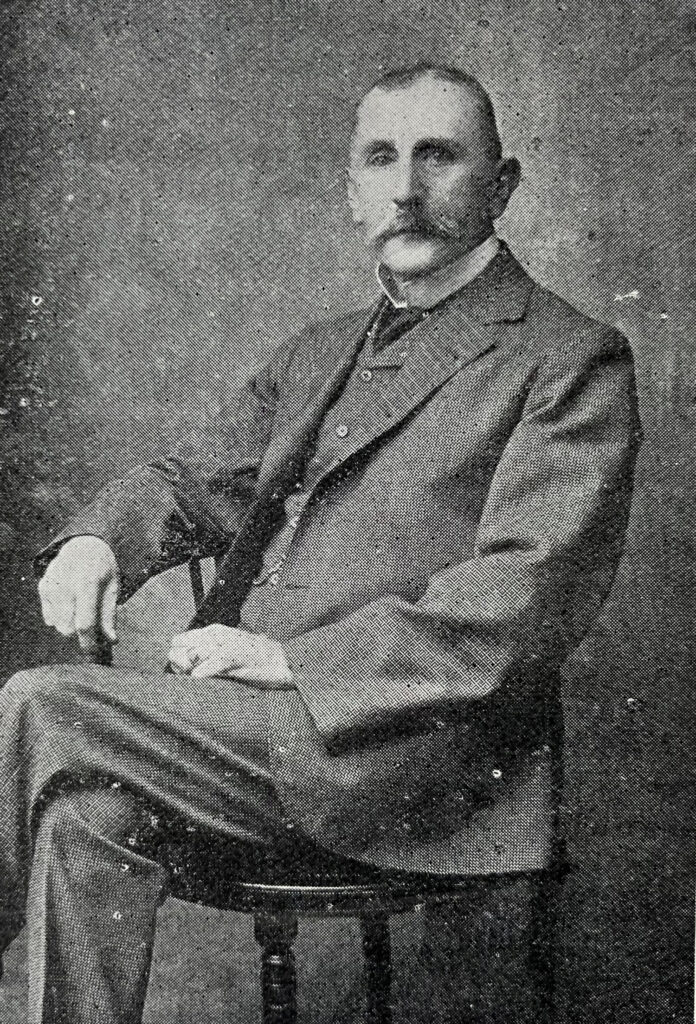
His sons, John and Josiah, however, recognised the inevitable. Eventually he agreed to the installation of a roller plant, though he only lived to see it running for a year, passing away in 1886, soon after the change in system.
The brothers continued the business, and some of the old prestige was regained. In 1889 Mr. T.D. Dunn became a partner, though soon afterwards John Crathorne died. By 1892 the firm had become a limited company under the familiar name of Josiah Crathorne and Sons, Limited. At that point the younger Josiah retired due to ill health and moved with his wife and two children to Ilfracombe.
In 1893 the mills were remodelled. Emerson’s purifiers were installed, the number of breaks reduced from six to five, and the plant arranged on the “Seck” system. Dunn retired as managing director in 1895, being succeeded by Mr. Charles Walker under the oversight of local directors. Robert Crump, the first secretary, was succeeded in 1898 by C.J. Askew, and a year later by J.F. Plews, from a long-established Atwick milling family.
Walker himself retired in 1893 due to ill health, and was replaced by Mr. Jno. Hazlehurst, who had risen within the firm from office boy, through travelling salesman, to manager. Among other long-serving staff was Mr F. Frost, once clerk to Josiah Crathorne, later head salesman, who died in 1884 aged 54. He was well known among Hull millers, who would waylay him on Monday mornings to discover Crathorne’s flour price. His word effectively set the market, with most competitors obliged to sell at a shilling per sack less—so strong was the demand for Grovehill flour.
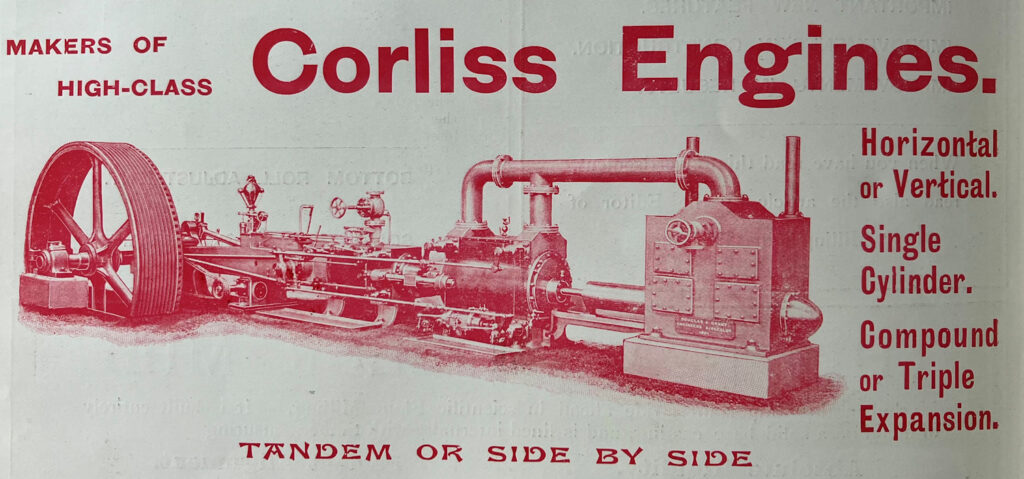
Technical improvements followed steadily. In 1894 the system was further reduced to four breaks. In 1895 better cleaning machinery, washing, and drying processes were added. In 1901 a new “Galloway” boiler was installed with Green’s economiser, driving a compound side-by-side engine of 125–145 horsepower, fitted with Corliss valves. The main drive was by belt.
The equipment was extensive. The second floor held a line and a half of roller mills, mostly by Seck. The third floor contained sieves and break sorters; the fourth, seven Emerson purifiers; the fifth, dusting and grading reels. On the top floor sixteen centrifugals, stacked two high, carried out the principal flour dressing.
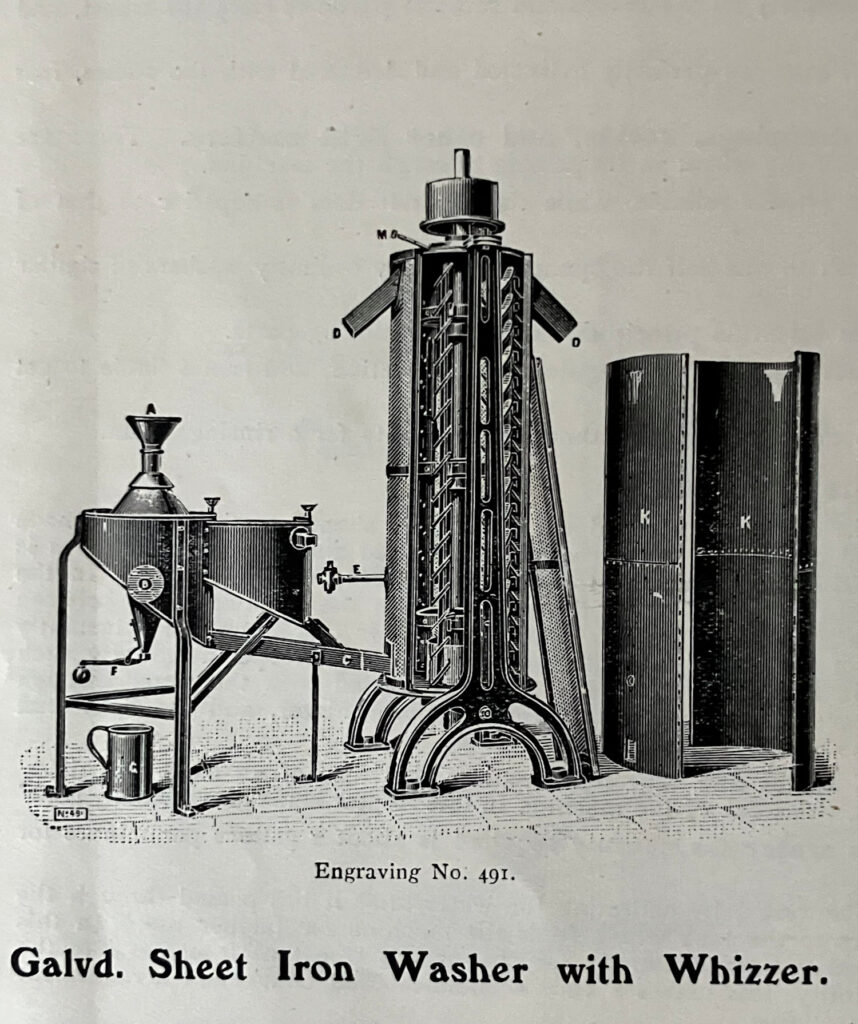
The wheat-cleaning department was housed in the former windmill, with separator, cylinders, a Turner washer, Higginbottom’s whizzer and dryer, scourer, and Victor brush, along with a duplicate washing plant for Indian wheats. Granary space was ample, with open floors and twelve silos. Local farmers supplied much of the grain, while imported wheat was shipped to Hull and brought by sack to a nearby wharf at a freight of threepence per quarter.
In 1904 the company chairman was Mr. J.H. Hobson, a member of another well-known Beverley milling family and also manager of the local branch of Barclays Bank.
Tragically, on 12 January 1907 a serious fire destroyed Grovehill Mills. The works were never rebuilt—perhaps because of the strong competition from another large mill only eight miles away.