




























India wheat exports have resumed as the government approves shipments of wheat and sugar. The government has approved the export of 2.5 million metric tonnes of wheat and an additional 500,000 tonnes each of wheat products and sugar, as the country seeks to support domestic farmers amid protests over an interim U.S.-India trade deal. The decision aims to stabilise domestic markets and ensure financial returns for growers following a review of current supply and price trends.
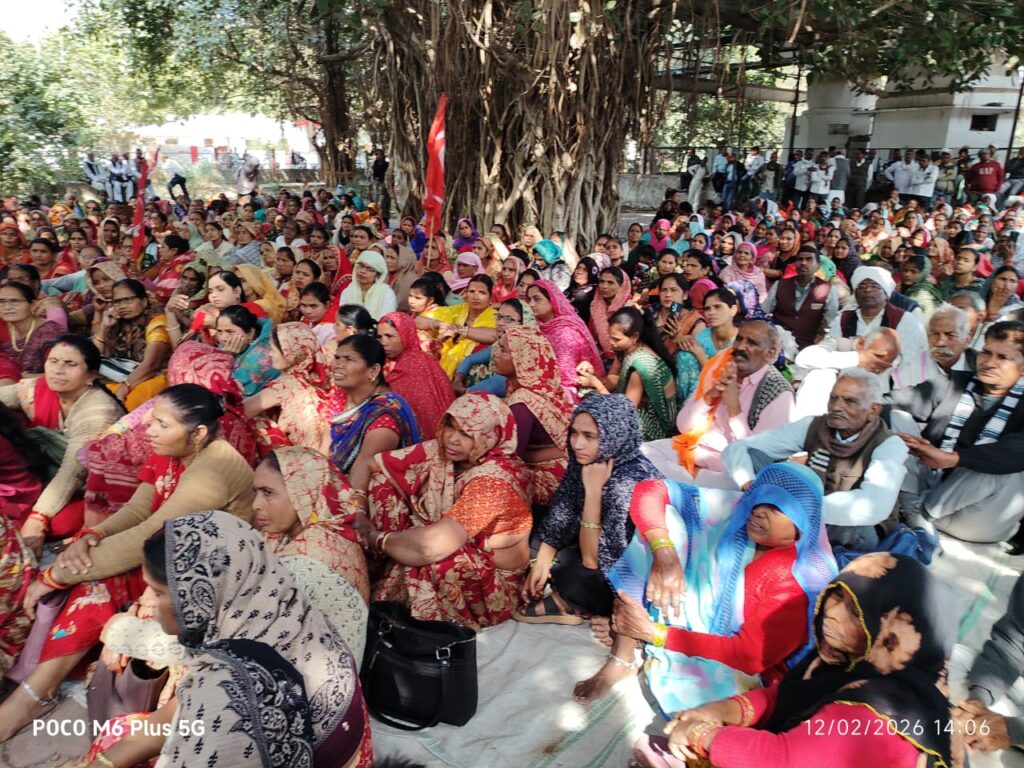
Thousands of farmers staged demonstrations last week, alleging that the trade framework compromised their interests, although the Indian government maintains that safeguards are in place. The move follows earlier export permissions, including 500,000 tonnes of wheat products and 1.5 million tonnes of sugar for the current season.
Traders expect the export approvals to improve market sentiment, though high domestic prices may limit the ability to fully supply the allocated volumes. Indian wheat is currently priced around US$280 per tonne free-on-board (FOB), compared with US$200 per tonne for Argentine wheat. Bangladesh is reportedly securing higher-quality Indian wheat at approximately US$260 per tonne, cost and freight (C&F).
India banned wheat exports in 2022 due to extreme heat damaging crops in successive years, which pushed domestic prices to record highs. Improved weather conditions, climate-resilient seeds, and adequate soil moisture from recent monsoons have raised prospects for a strong harvest in 2026, following a record 117.9 million metric tonne crop in 2025.
Regarding sugar, mills have shipped roughly 197,000 tonnes of the 1.5-million-tonne export quota, with an additional 272,000 tonnes contracted. The government is allowing an extra 500,000-tonne export allocation to mills that ship at least 70% of their previously assigned quotas by June 30. However, weak global prices limit the immediate impact of this additional allocation.
The government’s export strategy reflects a balancing act between supporting farmers, maintaining domestic supply, and engaging with global markets under the emerging U.S.-India trade framework.