



























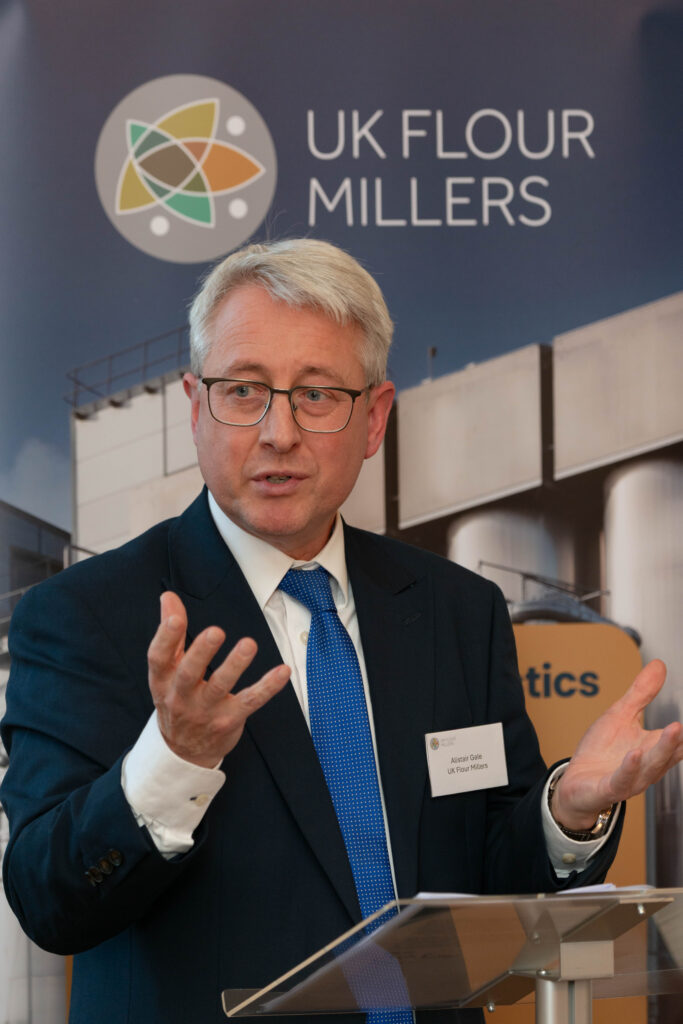
by Alistair Gale, Chief Executive Officer, UK Flour Millers
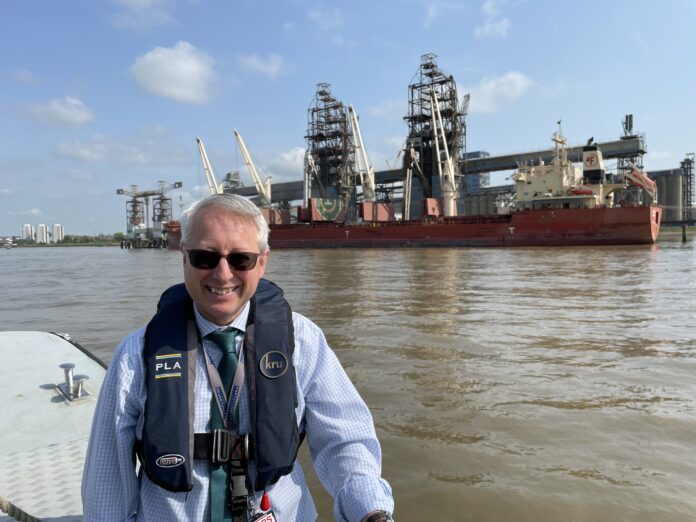
For 16 years bulk carriers sailed up the Thames, past the windows of the Port Authority office in which I worked. They were bound to discharge wheat for flour milling, both in dockside mills at Tilbury and others across the country. I did not pay them much, if any, attention. I paid even less attention to the mills they were supplying.
So, I came to the industry with ‘flour blindness’. Two-and-a-half years into this role at UK Flour Millers – the trade association – the blinkers very quickly came off. For me, the industry is now in plain sight: a fascinating history, advanced technology, skilled and friendly people, and that ubiquitous product.
With the zeal of the reformed smoker, I want to get the message about the importance and contribution of flour milling understood by as many people as possible. That is not such an easy task: most people take wheat flour for granted, even if they think about it at all.
In reality, there is little thought about the ‘flour’ – only the loaf on the supermarket shelf, the croissant in the bakery and much more besides, all made with flour. As for the idea that amazing technology underpins flour milling – colour sorters remain, to a newbie, the stuff of Star Trek-like tech – not a bit of it.
Does this lack of awareness and understanding matter? You might say no. The milling industry is a reliable partner, producing to meet consumer needs, with food safety and quality paramount. But let’s pause. Demand for flour is relentless, and the world is changing. The geopolitical backdrop is far less stable than it was for many years.
If that geopolitical change were to combine with dramatic climate impacts on wheat production, it would very quickly matter. Reliable basics like flour become premium essentials. At that point we need policymakers to make informed decisions – something they can only do if they know, value and understand the industry, even at a basic level.
Our task
Our task, then, is to lift the veil now: to reach politicians, ministers, opinion formers and influencers, and to tell our story. In the UK we tell the story of farming, milling and baking as a critical supply chain. The British consumers have loved fluffy white loaves – since Victorian times. Wheat flour runs not only into baked goods, but also into pasta and noodles as a dietary cornerstone across Europe, North Africa, the Middle East and parts of Asia.
Ours is, in many ways, one of the most basic industries – but it touches all peoples. And the best way to help people understand what we do is through ‘mill tours.’ In most mills you reach a magic point where a door is opened and the comforting aroma of flour being milled greets you. Combine that with awesome technology – such as colour sorters and AI systems – plus on-site bakeries that show the product in use, and most visitors are quickly invested in a story they never knew.
In the UK we have pushed ahead with two initiatives to help land our industry messages. We have an economic impact report that showcases the sector’s contribution and its position as one of the most productive in the nation in terms of value added per employee. And we have a short film – of just two minutes – that delivers our key messages swiftly.
In short, we have a great and essential story to tell, and we have to tell it now. Not that it’s easy: we compete for airtime with other industries and priorities. I wouldn’t want to leap the queue, but… flour really is essential. Marie Antoinette would likely agree.
At UK Flour Millers we are happy to work with partner associations and millers to share and learn from each other in this important area.