



























by Jay O’Nien, Environmental Impact Services Lead; Giulia Manzolini, Environmental Quantification Program Lead; Thomas Reichert, Head of Sustainability for the business area Milling Solutions & Beatrice Petit-Conde, Sustainability Officer, Buhler, Germany
The pressure on companies to quantify and reduce their environmental footprint is increasing. First, a new EU regulation has entered into force – the Corporate Sustainability Reporting Directive (CSRD) – that impacts approximately 50,000 companies in the EU. Second, more than 5000 companies have voluntarily signed up to the Science Based Targets initiative (SBTi) or are setting net zero goals. In the words of Peter Bakker, CEO of the World Business Council for Sustainable Development: “Sustainability is going mainstream for governments, business, consumers, and financial markets.”
Sustainability requirements
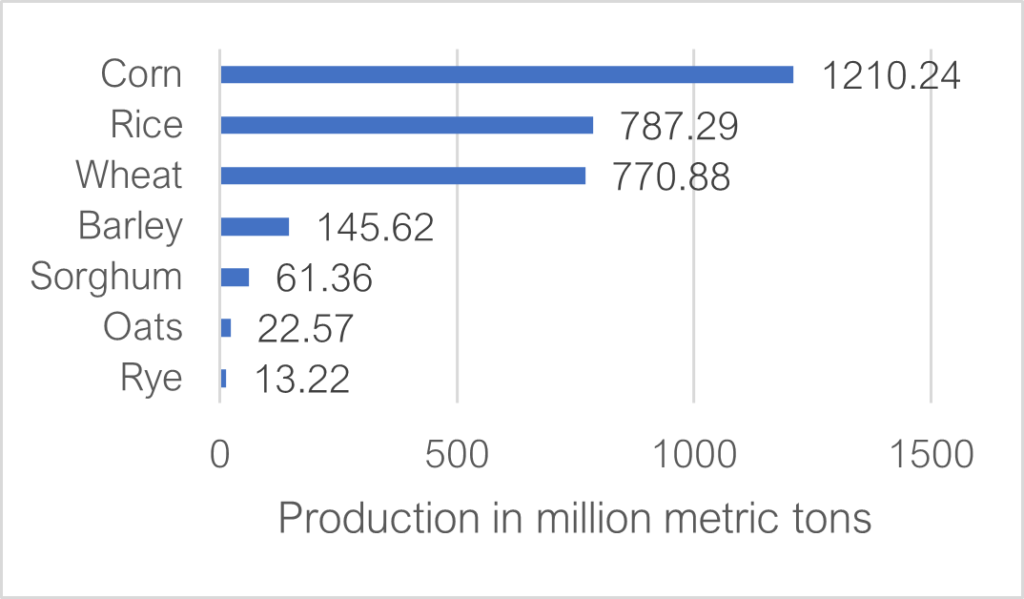
With approximately 2.6 billion tonnes of cereals and grains processed each year and more than 5000 companies setting science-based targets to reduce emissions, the milling industry has a golden opportunity to lead decarbonisation efforts and reduce the environmental footprint of consumer products. Coupled with increasing pressure from governments to report climate action, companies must quantify, understand, report, and reduce the environmental footprint of their manufacturing sites and their products.
The Corporate Sustainability Reporting Directive (CSRD) requires that, from 2025, companies that meet two of three criteria – 500+ employees, at least EUR€20 million in total assets or more than EUR€40 million in turnover – “publish regular reports on the social and environmental risks they face, and on how their activities impact people and the environment”. In terms of climate issues, they will have to define their governance structure, climate metrics and targets, reduction strategy and quantified risk management.
Metrics and target reporting requires companies to:
• Calculate the Scope 1, 2 & 3 footprint according to the GHG Protocol
• Set targets to reduce emissions
• Build a climate transition plan to achieve targets and track progress
As more retailers and food processing companies quantify and reduce their full GHG footprint, they will look for primary data and reduction measures from their supply chains and encourage suppliers to set science-based targets.

Science-based targets
More companies are signing up to the Science Based Targets initiative (SBTi), which requires companies to quantify their GHG footprint and set targets that follow the 1.5°C or “well below 2°C” line, with short-term goals to 2030.
In a typical footprint for food retailers and processors, most emissions come from their supply chain, known as Scope 3 Category one Purchased Goods & Services in the GHG Protocol – the raw materials purchased to create food products. Thus, retailers and food processors rely on the milling industry to quantify and reduce their footprint, as this in turn reduces the footprint of the final product provided to consumers. They also form an important link in the supply chain between farmers who produce cereals and grains and the product used by downstream food processors to create consumer products.
Quantification of the carbon footprint at product level enables a more data-based discussion of reduction measures across the supply chain, and greater opportunity to finance carbon reduction initiatives in all areas of the value chain.
Quantify sustainability in milling
Two main standards exist to quantify environmental impact: the GHG Protocol and the life cycle assessment (LCA).
Greenhouse Gas Protocol
A GHG assessment quantifies the CO2e (CO2 equivalent) impact of the entire business every year by splitting emissions into Scope 1, 2 or 3. This is both a regulatory and an SBTi requirement and can be certified to either the GHG Protocol or ISO 14064.
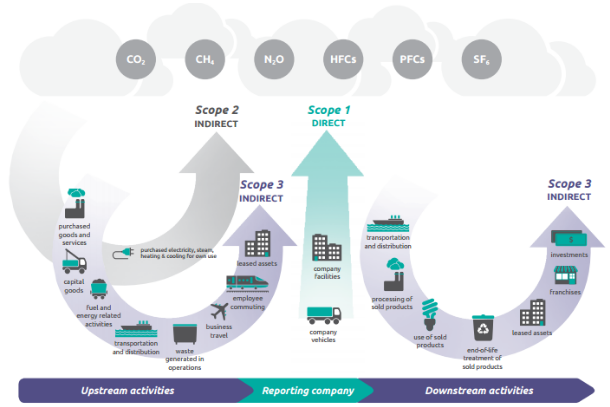
Scope 1 includes direct emissions by sources owned or controlled by an organisation e.g., emissions from combustion of fossil fuels in boilers and vehicles.
Scope 2 includes indirect emissions resulting from the generation of electricity, heat, or steam that an organisation purchases. These are not controlled directly by the organisation, but they can exercise some control by choosing their electricity or heating plan.
Scope 3 includes all other indirect emissions from upstream and downstream activities, such as the production and transportation of purchased goods and services, employee commuting, and waste disposal.
Life cycle assessment
The second method is the life cycle assessment (LCA), where assessments can be certified to ISO 14067. An LCA measures the impact per unit of the final product, taking into consideration the impact across the entire value chain.
An LCA requires a functional unit, such as 1kg of flour. The methodology considers all stages of the value chain, including raw material extraction (in the milling industry this is farming), processing, transportation, consumer use, and end-of-life disposal for this unit of product (it can also be shortened to factory gate, after processing). An LCA can also take other metrics into account, such as water consumption potential and agricultural land occupation.
Typical LCA for flour
Where GHG accounting fulfils legislative requirements, an LCA is a powerful tool in understanding carbon hotspots across the value chain, where to focus sustainability efforts, and how to communicate sustainability reduction measures to customers, investors, and consumers.
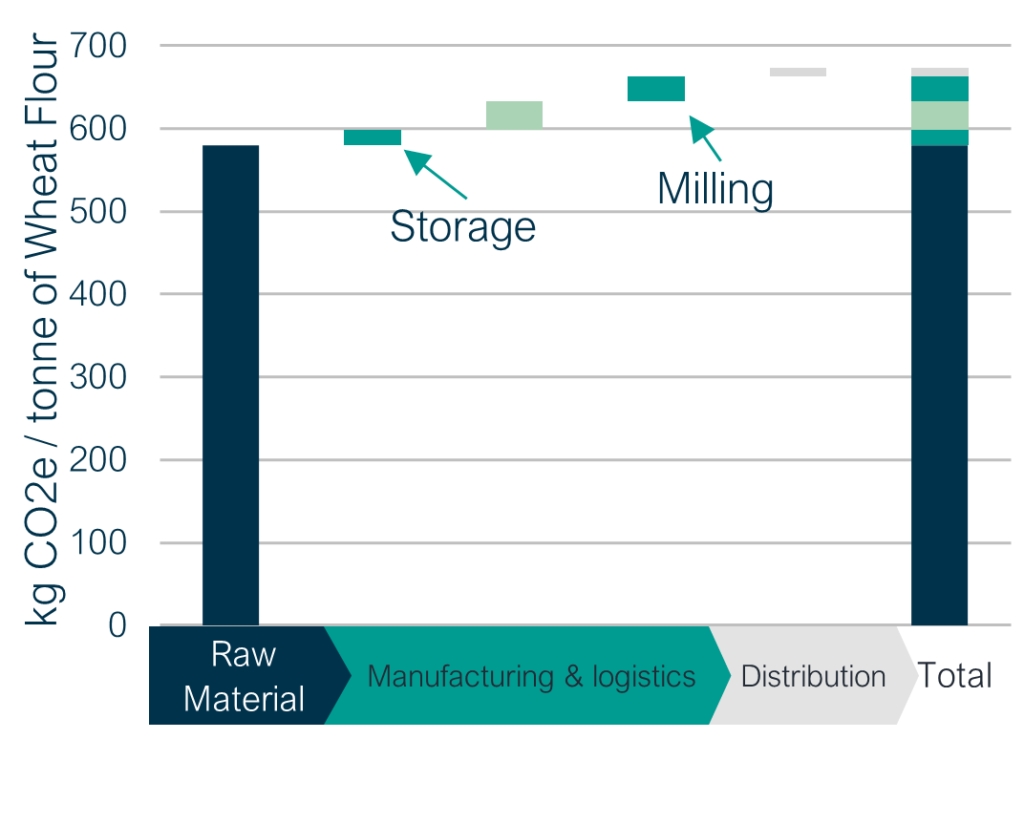
Figure 3 shows the typical footprint of flour. The exact figure will change depending on several factors, including the farming methods, logistics routes, storage conditions, milling performance, wheat and flour type, packaging, etc. However, some general assumptions can be made:
• Typically more than 60 percent of flour emissions originate from the grain (e.g. wheat, oat, barley, maize). Therefore, avoidance of waste and optimisation of yield in the milling process is critical
• Unless the grain is dried, cooled/heated, heat treated or extensively fumigated, most of the Scope 1 & 2 emissions originate from Scope 2 for a mil
• Where the grain is dried, cooled/heated, heat treated or extensively fumigated, Scope 1 emissions can be large
• Logistics contributes a significant proportion of the emissions per tonne of flour, particularly where there is long transportation by lorries
• Packaging has a small CO2e footprint but is important in reduction of waste.
Another advantage of an LCA is quantification of the impact of multiple metrics. Figure 3 shows a typical carbon footprint of flour. The same analysis method can be used to quantify m³ of water and m²a of land per tonne of product. Multi-metric analysis is important in order to ensure that reduction or optimisation measures do not negatively impact other categories.
Reduce the environmental footprint in the milling value chain
When companies sign up to the SBTi, they commit to measuring and reducing emissions consistent with the level of decarbonisation required to keep global temperature increase to 1.5 degrees compared to pre-industrial levels.

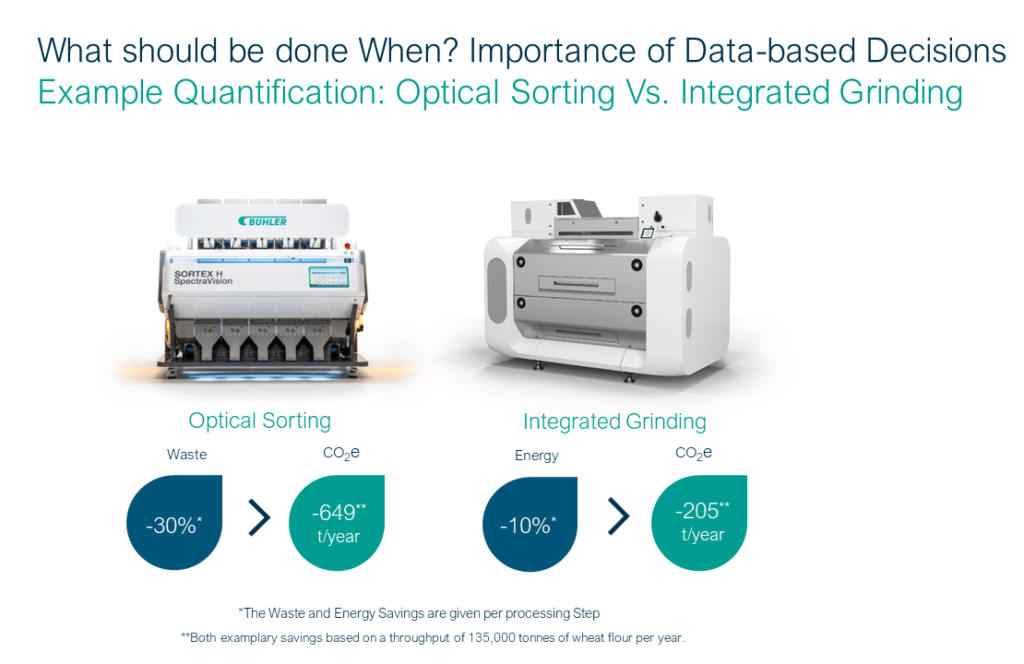
The following section provides an overview of the key steps required to reduce the environmental footprint across the entire milling value chain. The LCA analysis is a powerful tool in enabling collaboration and data-based decision making for reduction of the environmental footprint of flour, as shown in Figure 5. Where possible, reduction measures that have a return on investment should be made first (example Figure 6).
Reduce Scope 1 & 2 emissions
The CO2e emissions in the milling process can appear small when compared with the raw materials (particularly when no regenerative agriculture is in use). However, energy reduction measures typically have a fast ROI and should therefore be done first. Actions taken in the mill can also increase yield and reduce Scope 3 emissions.
Reduce Scope 1 emissions:
Where grain is dried, optimise heating processes using retrofits such as heat recovery or heat pumps to reduce energy use, save cost and emissions. If possible, use alternative combustion sources to natural gas; e.g. electric, biogas.
Prioritise food safety and quality to reduce waste and optimise important resources. In particular, optimise pest control to ensure minimum and effective fumigant use. Continuously track quality parameters to identify intake or process changes.
Quantify & manage use of industrial gases (such as fumigants in grain storage) and refrigerants (for example in air conditioning units). Use alternative or modern refrigerants to avoid high environmental impacts, an alternative cooling source in production to avoid refrigerant usage and ensure constant maintenance and upgrades for reduced energy consumption and leakages.
Optimise Scope 2 emissions:
Use smart sensors to measure energy consumption across the entire milling process, avoid energy spikes, minimise machine idling times and maintain an overview of equipment status.
Use predictive maintenance to ensure operational efficiency, in particular replacing milling rolls before excessive wear in order to reduce power consumption spikes. Worn-out rolls can consume up to 40 percent more power.
Predictive maintenance will also optimise logistics of spare and wear parts, saving money and emissions.
Keep the equipment around the processes up to date, for example replacing old lighting systems with LED lighting.
Optimise air use by installing frequency converters and reducing air speed for pneumatic conveying, air rinsing and aspiration. Also minimise air leakages, improve pipe layouts and reduce bends.
Optimise power supply and motors, ensuring that motors operate >60 percent load and use the most efficient transformers.
Manage your production efficiently by optimal production planning, intelligent process routing and automatic process reactions to exceeded values with automation solutions.
Use of renewable energy
The use of renewable energy reduces Scope 2 emissions to zero and Scope 3 emissions of energy production close to zero. Renewable energy is a critical step in the net zero journey. Three key methods increase the use of renewable energy:
• Produce renewable energy on site (such as solar panels, direct drive from water sources)
• Buy renewable energy certificates (from electricity providers or energy brokers)
• Develop a power purchase agreement (PPA)

An energy strategy should reduce consumption (e.g. switch off appliances not in use) and optimise consumption (e.g. better machinery) as much as possible. When considering the product and/or procurement of renewable energy, take into account the following key points:
• Ability to use on-site renewables (e.g. solar, heat pumps)
• Availability of local infrastructure
• Costs per tonne of CO2e reduced
• Return on investment using different methods
• Business risk (e.g. long-term contracts)
PPAs often create new renewable energy infrastructure and can guarantee energy prices over the long term, but projects are subject to availability, have long lead development times and are suitable only when procuring enough energy (unless the PPA is split with other companies).
Renewable energy certificates have been criticised (for example, in the Corporate Climate responsibility monitor). However, their purchase can be an effective method of making up the remaining kWh not covered by PPAs or on-site production.
When communicating the renewable energy strategy, it’s important to transparently report emissions – for example, kWh consumed, kWh reduced, location CO2e and market-based CO2e.
Reduce Scope 3 emissions – from the mill
The cleaning section of a mill is critical because increasing raw material yield and quality, and reducing waste are the biggest levers to reduce CO2e per tonne flour.
The cleaning section in a mill does not consume as much electricity (Scope 2 emissions) as the milling section, but improved cleaning improves the quality of the final product
(which can reduce waste in the downstream processing, such as baking steps) and reduces the input per tonne of the final product, thus reducing Scope 3 emissions.
For example, the Bühler Sortex machine, seen in Figure 6, is an optical sorter that pre-cleans grain inputs and enables a reduction of up to 30 percent in false rejects. The yield increase brought about by accurate sorting improves profitability and results in up to 649 tonnes of CO2e saved in a typical milling line with a throughput of 600t per day per line.
Sustainable packaging, such as recyclable materials, will reduce the CO2e footprint. However, the material must be well protected by the packaging in order to avoid waste.

Reduce Scope 3 emissions – working with suppliers
To address the most significant part of emissions, it is essential to source raw materials sustainably.
As shown in Figure 3, the raw materials can comprise up to 95 percent of the footprint of flour. The key footprint components are fertilizers, pesticides, emissions on the field, irrigation, and fuel from farming vehicles. Farmers therefore are adopting more regenerative practices to reduce emissions on the field, such as use of cover crops to fix nitrogen into the soil, more precise dosing of fertiliser, the use of green manure to reduce fertiliser emissions, and minimising tillage to preserve soil structure and reduce on-field emissions. Such measures are already proven to significantly drop the environmental footprint of raw materials.
Traceability and quality
The focus of milling companies should be on gathering data from suppliers to increase the volume of primary data in CO2e quantification and increasing traceability of the value chain. Connection of the footprint of raw material production to the consumer product creates a data-based discussion on reduction measures, enabling the responsibility and capital available for reduction measures at farm level to be shared among all players along the value chain.
More data on the input raw materials will also improve processing efficiency and thus quality of the consumer product. As the industry faces more critical decisions, such as when to source local or imported grains, how to reduce products that go to animal feed or increase wholegrain flours, environmental metrics such as CO2e per tonne of flour can be used as key decision-making criteria.
The race is on to 2030. Many governments and companies have made bold commitments to quantify and reduce carbon emissions, and to avoid an increase in global warming of 1.5°C. With more than 2.6 billion tonnes of grain processed globally, the milling industry has an important role to play in the fight against climate change.
Regulatory requirements demand that companies have stronger oversight and communications in four key focus areas: governance, strategy, risk management, and metrics and targets.
Metrics and targets require a robust quantification and pragmatic reduction plan, identifying the initiatives with the fastest ROI first. LCA assessments are a powerful tool in identifying carbon hotspots and can focus reduction efforts and capture the value of sustainability by supporting downstream food processors. This will enable companies to create a competitive advantage and build a favourable business case for sustainable products. When sustainability is profitable, it will create impact at scale.
Published in the March 2024 issue of Milling and Grain.