
























by Charles Williams, Managing Director, Promtek Ltd, UK
Over the past few years, the manufacturing industry has faced significant hurdles due to global economic and political disruptions. Escalating raw material costs and unpredictable supply chains have forced businesses to rethink their strategies to protect operations and maintain competitiveness. Events such as the ongoing complexities of Brexit, conflicts in Ukraine and Israel, and the lasting effects of the COVID-19 pandemic have compounded these challenges, creating an environment of uncertainty.
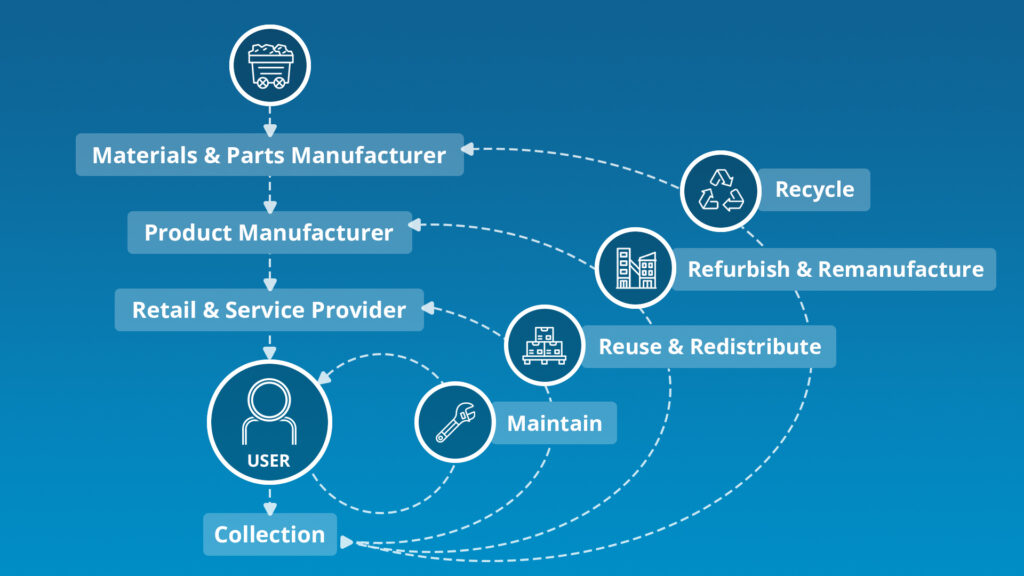
In response, many companies are turning to circular economy principles to remain agile and resilient. This approach emphasises reusing, refurbishing, and recycling resources to minimise waste and reduce reliance on unpredictable supply chains. By integrating these principles into their operations, businesses not only bolster their resilience but also contribute to broader sustainability goals.
Extending the lifespan of machinery
In an era of tightened budgets and shrinking profit margins, maximising the value of existing manufacturing equipment has become more critical than ever. Historically, companies evaluated equipment purchases primarily based on capital expenditure (CapEx). However, operational expenditure (OpEx), which includes maintenance, repairs, and running costs, has become an equally important consideration.
One of the most effective strategies for optimising equipment value lies in consistent upkeep. Regular maintenance ensures machinery operates efficiently for as long as possible, delaying the need for costly replacements. This proactive approach preserves profitability and allows businesses to defer significant CapEx investments, improving financial stability.
Nevertheless, maintaining machinery requires careful planning and resource allocation. Scheduled servicing and timely replacement of worn components are essential to prevent unforeseen expenses. Neglecting these tasks can lead to equipment failures, resulting in increased OpEx, unplanned downtime and the overhead costs of diagnosing and repairing issues. Such disruptions can significantly impact operational efficiency, productivity, and ultimately, profitability. To tackle these challenges, businesses are adopting technologies that improve maintenance processes and boost the reliability of their machinery.
Technology for efficient maintenance
Technological innovations such as Computerised Maintenance Management Systems (CMMS) have transformed the way businesses manage equipment upkeep. These systems provide real-time insights into critical performance indicators, including wear levels, reliability and usage patterns. With this data, companies can make informed decisions about when to repair, upgrade, or replace equipment, ensuring resources are allocated effectively.
CMMS technology not only supports routine maintenance but also automates service schedules, reducing the likelihood of unexpected breakdowns. By proactively addressing potential issues, businesses can maintain equipment at peak performance, effectively balancing CapEx and OpEx. Over time, this approach maximises return on investment and minimises costly disruptions.
The emergence of Industry 4.0 technologies has further supported maintenance strategies. These advanced systems enable communication between machinery from different manufacturers, creating unified production lines. With the integration of sophisticated software, businesses can optimise processes and boost productivity.
Additionally, the growing adoption of portable licensing options has revolutionised the second-hand equipment market. These licenses allow pre-owned machinery to be resold and integrated easily into new operations, extending its lifecycle and supporting sustainability efforts. This approach benefits buyers and sellers alike, building a circular economy within the materials handling industry.
Strengthening operations
In industries particularly vulnerable to supply chain disruptions, in-house repair and refurbishment capabilities are invaluable. Onsite engineering teams play a pivotal role during periods of uncertainty, equipping businesses with the tools needed to maintain operations without waiting for long lead times associated with overseas spare parts.
Refurbishing existing machinery offers a cost-effective alternative to purchasing new equipment, while also improving facility efficiency. For example, integrating older machinery with advanced process control systems can yield significant benefits. These systems provide detailed analytics on energy consumption, motion dynamics and timing, helping businesses identify inefficiencies or areas for improvement.
Real-time data gathered through these systems can uncover hidden issues, such as substandard material quality, mechanical degradation, or bottlenecks in production processes. By addressing these problems proactively, companies can improve productivity, improve product quality, and maintain resilience in the face of external challenges. Repair and refurbishment strategies not only offer financial advantages but also align with sustainability goals by extending the usable life of machinery.
Closing equipment lifecycle loop
Even with diligent maintenance and refurbishment, all machinery eventually reaches the end of its lifecycle. Factors such as environmental wear, electrical degradation and software obsolescence contribute to this inevitability. At this stage, recycling becomes a crucial step in managing end-of-life equipment responsibly.
Recycling involves dismantling machinery to recover valuable raw materials that can be reused in the production of new products. This process minimises waste, reduces demand for virgin resources, and supports sustainability initiatives. By incorporating recycling into their operations, businesses can close the loop in the lifecycle of their equipment, aligning with circular economy principles.
The second-hand equipment market also plays a vital role in promoting sustainability. For smaller businesses or startups, purchasing pre-owned machinery offers an affordable alternative to new equipment. Many of these machines require minimal refurbishment to regain optimal performance, making them a practical choice for companies looking to scale their operations cost-effectively. This dual approach—recycling and reusing—allows businesses to strike a balance between environmental responsibility and financial practicality.
Joining the loop
Advancements in Industry 4.0 have made it possible to track and extend the lifecycle of machinery components. From the moment a component is manufactured to the point it becomes obsolete, businesses can now monitor its usage, wear and overall performance.
This data provides insights into the environmental impact and long-term cost-effectiveness of individual components, enabling companies to make smarter resource management decisions. By embracing these lifecycle-focused strategies, businesses can not only optimise their own operations but also contribute to the sustainability of the materials handling industry as a whole.
The principles of reuse and recycling, supported by modern technology, form the foundation of a more resilient and sustainable future for the manufacturing sector. Promtek provides expertise in designing and integrating process control and automation systems for a variety of bulk material handling industries.
Published in the January 2025 issue of Milling and Grain.