































Grain is one of the world’s most essential staple foods, yet, according to the Food and Agriculture Organisation (FAO), more than 20% of harvested grain is lost annually, largely due to insect activity and mildew growth. The GRANIFRIGOR grain cooling system is addressing this vital challenge and changing the way grain is stored globally by maintaining crop quality, cutting losses, and lowering costs.
Conservation cooling simulates winter conditions right after harvest, which leads to a significant decrease in grain respiration, heat accumulation, and moisture loss. GRANIFRIGOR prevents the natural self-heating process that leads to nutrient depletion and makes grain vulnerable to insect infestations and mould development by cooling the grain soon after harvest. This technology proves especially useful in tropical areas, where hot and humid conditions create serious storage challenges.
Advantages of Grain Cooling
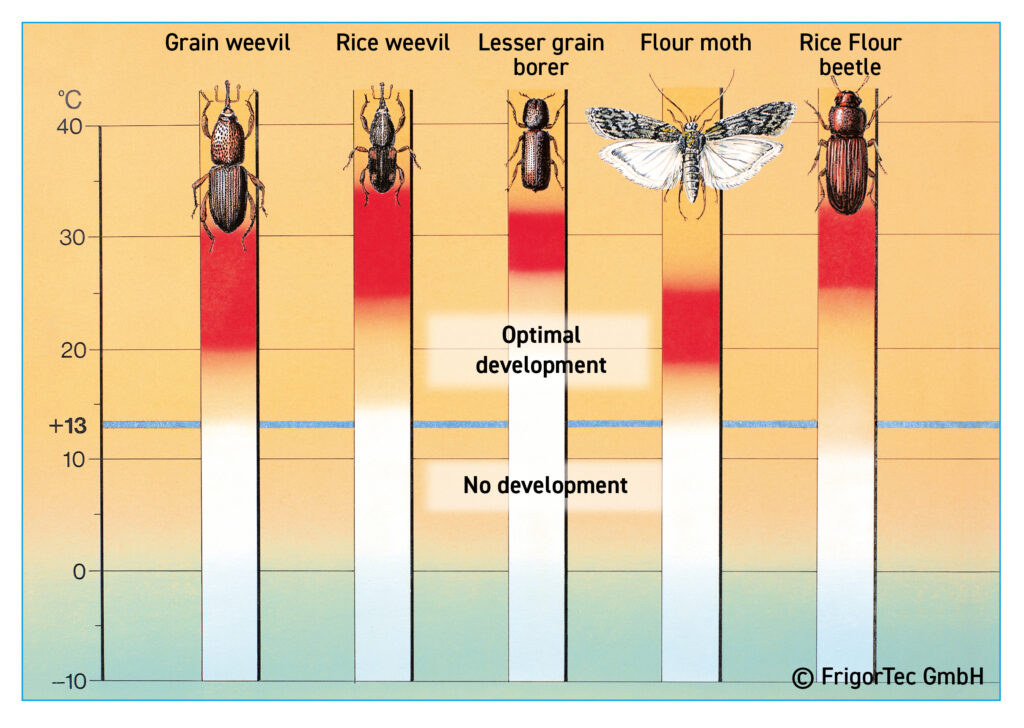
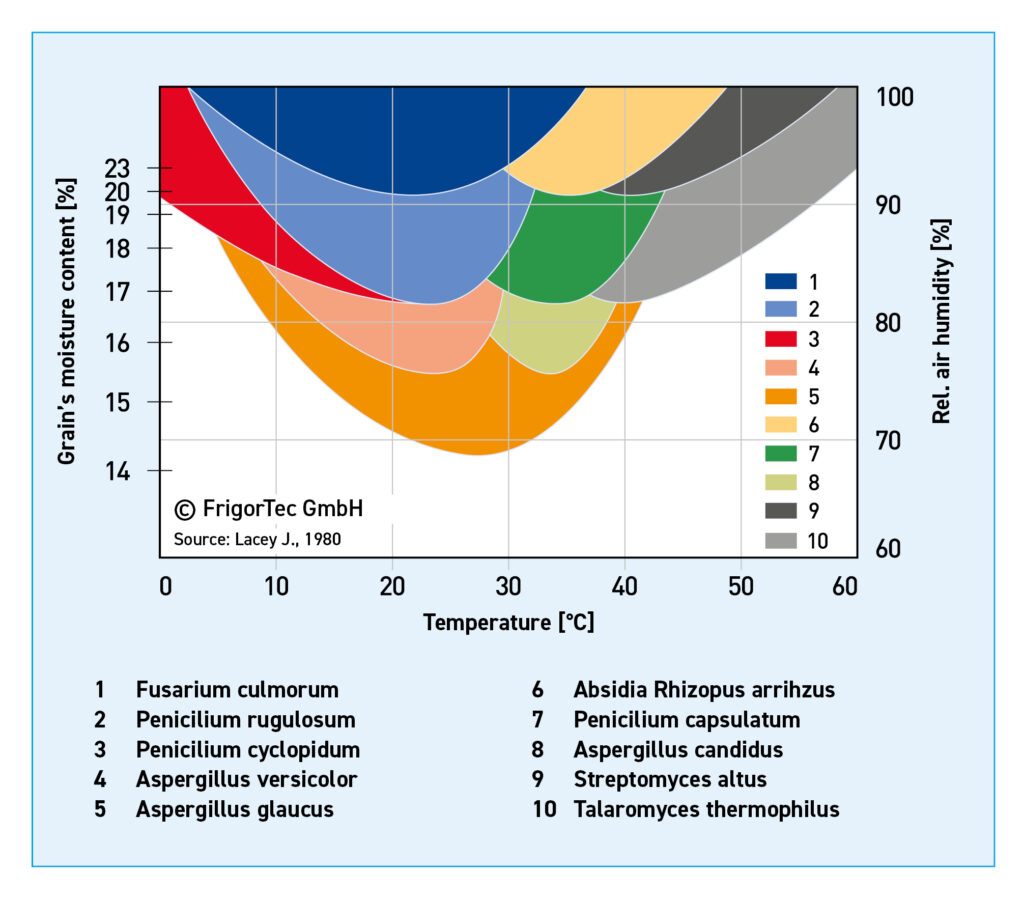
A key benefit of GRANIFRIGOR is that it can prevent insect damage without using chemicals. Insect activity ceases when grain temperature is reduced to below 13 °C, as pests enter diapause (a hibernation state), thereby halting reproduction cycles and preventing significant feeding losses. Moreover, the technology prevents the development of mildew and mycotoxins, such as DON and ZEA, which pose risks to humans and animals, thereby safeguarding food quality and safety.
The GRANIFRIGOR system operates by cooling and dehumidifying the surrounding air, and then directing it through the grain stored in silos or warehouses. Conventional ventilation depends on good weather, but GRANIFRIGOR functions regardless of climate; rain or fog does not affect it, guaranteeing uniform results throughout the year.
GRANIFRIGOR provides quick investment returns, frequently covering its costs within one to two years. It lowers energy expenses for drying, reduces weight loss, and removes the requirement for chemical storage protection. Storage facilities and farmers benefit from grain of better quality and price, with reduced waste.
This adaptable technology can be utilized in both warehouses and tower silos, and it has seen widespread adoption throughout South America due to specific storage challenges associated with maize, rice, and soya. Cooling maintains the quality of maize and rice kernels and stops yellowing or caking, while for soya beans it minimizes oxidation and loss of weight.
FrigorTec, the creator of GRANIFRIGOR, has established a solid reputation for dependability and service, backed by a wide-ranging network of sales and technical partners throughout South America. Due to their competence, farmers and millers can rely on ideal storage conditions, safeguarding their crops from unnecessary loss.