
























by Melinda Farris
Several years ago, some expatriate friends shared an observation after visiting the United States. They remarked that when they purchased flour here, they knew exactly what they would get every time. The flour was consistent from bag to bag, allowing them to predict how it would perform when baked. In their experience, that level of consistency was not always guaranteed at home.
Their comment stayed with me because it highlighted something many of us take for granted. Consumers rarely think about the systems, processes and people behind a bag of flour. They simply expect products to be safe, reliable and consistent. That expectation is built on confidence—and maintaining that confidence is one of the milling industry’s most important responsibilities.
Food safety is often associated with audits, documentation and regulatory requirements. These elements are essential, but they are only part of the story. At its foundation, food safety is about culture, discipline and consistency.
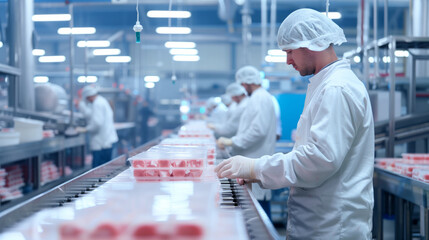
Every day, mill employees perform hundreds of tasks that support food safety and quality. Equipment is inspected, sanitation activities are completed, measurements are recorded and processes are monitored. Individually, these actions may seem routine. Collectively, they form the systems that protect consumers and maintain confidence in our food supply.
Around the world, mills operate under very different circumstances. Some have access to advanced automation and sophisticated quality management systems. Others rely on more traditional processes and limited resources. Yet the goal is the same: producing safe food and continuously improving the systems that support it. New technologies can help accelerate that journey by improving visibility, simplifying documentation and providing better access to information. But technology alone does not create a food safety culture. It supports the commitment to improve.
The most effective systems—whether paper-based, digital, or somewhere in between—share a common characteristic: they make it easier for people to do the right thing consistently. Success still depends on trained employees, engaged supervisors and leaders who reinforce the importance of accountability every day.
One of the challenges with food safety is that success is often invisible. Consumers rarely notice when processes work exactly as intended. Yet that absence of problems is the result of thousands of correct decisions made throughout the supply chain, day after day.
As milling continues to evolve, technologies and compliance requirements will change. The industry’s responsibility, however, remains the same. Whether in a large multinational operation or a single-site mill serving a local community, public trust is not earned through a single audit, certification or inspection. It is built gradually through a commitment to vigilance, professionalism and continuous improvement.
Food safety is more than a requirement. It is one of the clearest expressions of the trust society places in our industry—and of the responsibility millers carry every day. Wherever milling takes place, the pursuit of safer food and stronger systems benefits us all.
-ends-