






























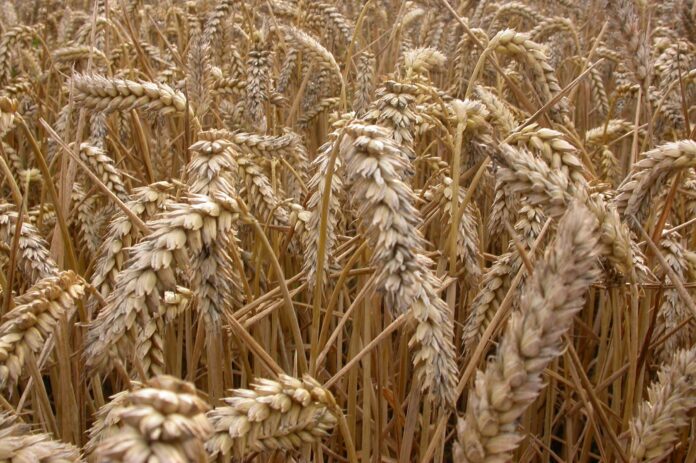
November 8, 2024 – The interim findings from the 2024 Alltech European Harvest Analysis shows that over 95% of crop samples across Europe contain at least one mycotoxin, with many crops showing contamination by multiple mycotoxins.
Wheat samples averaged 7.7 mycotoxins per sample, with 99% containing multiple toxins, while barley samples averaged 6.3 mycotoxins. Both crops show a moderate risk, with type B trichothecenes and emerging mycotoxins dominating the contamination profile.

Straw samples exhibited high contamination, with an average of 5.9 mycotoxins per sample. The dominant mycotoxins were deoxynivalenol and other emerging toxins, creating a high-risk scenario for livestock feed.
Grass and corn silage samples showed a lower average of 2.9 mycotoxins per sample, though 68% contained multiple toxins, with Penicillium mycotoxins such as patulin presenting a high overall risk.
“The mycotoxin risk for livestock is moderate to high, and in some cases, such as with aflatoxin B1, it’s alarmingly high. Effective mycotoxin management is essential to mitigate these risks,” said Dr. Radka Borutova, global technical expert at Alltech.
You may also be interested in:
- Alltech at EuroTier: Sustainable nutrition for profitable production
- Alltech Pork Team business seminar video now available
Climate change effect
Alltech’s report highlights how fluctuating weather patterns have increased mycotoxin prevalence across Europe. Early-season rains, followed by prolonged drought in many regions, created optimal conditions for mold growth and toxin production.
Notably, corn grain samples from Hungary, Serbia, Romania, and Bulgaria show high levels of aflatoxin B1, with concentrations reaching up to 506 ppb, a dangerous level for animal feed.
The interim report found that the most concerning mycotoxins in grains include type B trichothecenes—such as deoxynivalenol—and emerging mycotoxins. These toxins can disrupt digestion, reduce feed intake, and compromise immune health in livestock, resulting in substantial economic losses for producers.
Proactive management
The report warns that without proactive measures, mycotoxin contamination could have serious implications for the agricultural sector and food supply chain.
To further address these concerns, Alltech will host a live broadcast event on Nov. 21, titled “From Field to Feed: 2024 Crop and Mycotoxin Analysis.” The session aims to provide producers with strategies to manage mycotoxin risks and insights into how global weather trends are impacting crop safety.
To register, visit HERE.
For more information, visit HERE.